Ayurveda is one of the world’s oldest systems of traditional medicine, developed in India more than 3,000 years ago and still practised today alongside modern healthcare. Rather than treating symptoms in isolation, it looks at the whole person, how you eat, sleep, move and manage stress, and works from the idea that balance across these areas supports overall wellbeing.
For people newer to Ayurveda, the appeal usually starts with one specific goal: better digestion, calmer sleep, less stress, or simply wanting a daily routine that feels more grounded. What often surprises beginners is how connected these areas are within Ayurvedic practice. A change to your evening routine can influence sleep. A change to how you eat can influence energy and mood. This guide walks through the traditional benefits of Ayurveda across body, mind and spirit, explains the foundational concepts behind them, and outlines simple ways to start incorporating Ayurveda into daily life, with guidance on when it’s worth speaking to a practitioner directly.
If you’re new to Ayurveda and unsure where to begin, an Ayurvedic consultation can help you understand which approach may best suit your individual needs. At Vibrant Ayurveda, our practitioners can guide you through personalised Ayurvedic recommendations based on your health, lifestyle and wellbeing goals.

Ayurveda, meaning “the science of life” in Sanskrit, is a traditional system of medicine that originated in India and has been practised continuously for thousands of years. It’s built on the idea that health depends on balance between the body’s internal systems, between mind and body, and between an individual and their environment. Rather than a single treatment or remedy, Ayurveda is a framework covering diet, daily routine, herbal preparations, bodywork and lifestyle practices, all tailored to the individual rather than applied uniformly.
In Australia, Ayurveda is generally practised as a complementary approach to health and wellbeing. It sits alongside, rather than replaces, conventional medical care, and reputable practitioners will always encourage clients to continue working with their GP or specialist for diagnosis and treatment of medical conditions. Ayurvedic consultations focus instead on lifestyle, diet and traditional therapies that may support general wellbeing.

Central to Ayurvedic theory is the concept of three doshas, Vata, Pitta and Kapha, which are said to represent different combinations of the five elements (space, air, fire, water and earth) and govern different functions within the body. Everyone is thought to have a unique combination of all three, known as their prakriti or constitution, with one or two doshas typically more dominant.
Vata is associated with movement, and is often linked to qualities like dryness, lightness and quick thinking, but can also show up as restlessness or irregularity when out of balance. Pitta is associated with transformation and metabolism, often linked to focus and drive, but can show up as irritability or inflammation-related discomfort when out of balance. Kapha is associated with structure and stability, often linked to calmness and endurance, but can show up as sluggishness or heaviness when out of balance. Understanding your dominant dosha is typically the starting point for any Ayurvedic recommendation, whether that’s diet, daily routine, or bodywork.
If you’re not sure where you sit, our dosha quiz is a useful starting point before a full consultation.
Ayurveda’s physical benefits are usually where people start, and they tend to be the most tangible entry point into the wider practice. Traditional Ayurvedic approaches to diet, herbs, and daily routine are built around supporting the body’s own processes rather than targeting a single symptom, which is part of why consistency, rather than a single treatment, tends to matter more than in some other approaches.
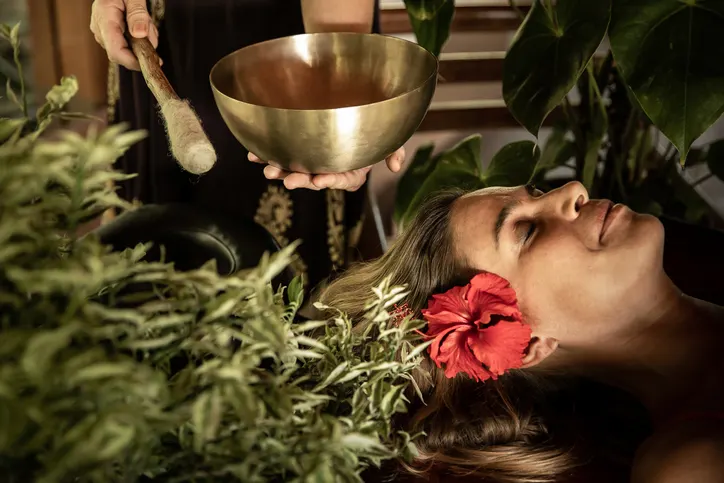
Ayurvedic bodywork, including oil-based massage techniques like Abhyanga, is traditionally used to support joint mobility and muscular comfort, particularly when combined with warm herbal oils suited to an individual’s dosha. Alongside massage, Ayurvedic lifestyle guidance often includes gentle movement practices and dietary adjustments thought to reduce excess dryness or stiffness associated with Vata imbalance. These approaches are complementary rather than a replacement for medical treatment, so their GP or physiotherapist should still guide anyone with a diagnosed joint condition, recent injury or ongoing pain alongside any Ayurvedic support.
Dinacharya, or daily routine, is one of the more practical aspects of Ayurveda and covers everything from wake time to meal timing to evening wind-down habits. Traditional Dinacharya practices include waking before sunrise, tongue scraping, oil pulling, self-massage with warm oil, and eating the largest meal around midday when digestive fire is considered strongest. The underlying idea is that aligning daily habits with the body’s natural rhythms, rather than working against them, is traditionally thought to support steadier energy and physical wellbeing over time. Most practitioners recommend introducing these habits gradually rather than adopting a full routine overnight.
Ayurveda treats the mind and body as deeply connected rather than separate systems, which is reflected in the prominence of mental and emotional wellbeing features in traditional Ayurvedic practice. It’s worth being clear from the outset that Ayurvedic approaches to stress and sleep are complementary, traditionally used to support balance, and are not a treatment for diagnosed mental health conditions such as anxiety disorders or clinical insomnia. Anyone experiencing these should speak with their GP or a mental health professional.
Digestion, or “agni” (digestive fire), is considered foundational in Ayurveda. Within Ayurvedic theory, digestion or “agni” is considered an important part of maintaining balance, and traditional Ayurvedic practices place considerable emphasis on meal timing, food preparation, and eating habits. Traditional Ayurvedic recommendations for digestive balance include eating at regular times, favouring warm, freshly cooked meals over cold or heavily processed food, and avoiding overeating.
These practices are traditionally used within Ayurveda to support what is described as healthy digestive function. Herbal preparations are also commonly used within Ayurvedic practice to traditionally support digestion, though these should always be discussed with a qualified practitioner rather than self-prescribed, particularly if you’re taking other medications. For general information on how the digestive system works, Healthdirect’s overview is a useful reference point.
Within Ayurvedic theory, excess Vata is commonly associated with the restlessness and overstimulation many people describe as everyday stress. Traditional approaches to supporting nervous system balance include routines that emphasise warmth, grounding and regularity, such as consistent meal and sleep times, warm oil self-massage, and reducing excessive stimulation before bed.
These practices are traditionally used to support a sense of steadiness day to day, rather than to treat a diagnosed stress or anxiety condition. If stress is significantly affecting your daily life, it’s important to speak with your GP, who can advise on appropriate support alongside any complementary Ayurvedic practices you choose to explore. Better Health Channel’s guide to stress outlines general signs of stress and when to seek support.
Sleep is closely tied to Dinacharya in Ayurvedic practice, with irregular sleep timing considered one of the more common contributors to Vata imbalance. Traditional recommendations for supporting sleep quality include winding down at a consistent time each evening, avoiding stimulating activity close to bedtime, and self-massage with warm oil before sleep, all aimed at signalling to the body that the day is ending. These are general wellbeing practices rather than a treatment for insomnia or other diagnosed sleep disorders, and Better Health Channel’s sleep hygiene guide is a useful additional resource if sleep difficulties are ongoing.
Meditation and mindfulness practices are woven into traditional Ayurvedic living, often recommended as part of a daily routine rather than treated as a separate wellness activity. Simple practices like a few minutes of quiet breathing or seated stillness each morning are traditionally used to support mental clarity and a steadier emotional baseline throughout the day. Healthdirect’s overviews of meditation and mindfulness offer useful general context on these practices outside of an Ayurvedic framework as well.

Ayurveda’s approach to spiritual wellbeing isn’t separate from its approach to diet and lifestyle; it’s woven through the same daily practices. The idea of “spirit” in this context refers less to any particular belief system and more to a general sense of alignment between how you live and how you feel, day to day.
Ayurveda treats diet as more than a source of nutrition, viewing food choices, timing and preparation as directly connected to emotional and energetic wellbeing. Traditional guidance often includes eating mindfully rather than distractedly, favouring freshly prepared meals, and choosing foods suited to your dosha and the season, all framed as supporting not just physical health but a steadier emotional state. This is one of the areas where Ayurveda differs most clearly from a purely nutritional approach, treating the experience of eating as part of the benefit, not just the meal’s nutritional content.
Panchakarma is a structured, multi-stage Ayurvedic detoxification process traditionally used to support a whole-body reset, typically involving preparatory oil therapies followed by cleansing procedures tailored to the individual’s dosha and health status. It’s considered one of the more intensive Ayurvedic interventions and is generally undertaken under close guidance from a qualified practitioner rather than attempted independently. You can read more detail on the process in our Panchakarma blog, and anyone considering it should have a consultation first to confirm it’s appropriate for their current health.
You don’t need to overhaul your routine to start exploring Ayurveda. A handful of small, traditional habits are a reasonable starting point: drinking warm water first thing in the morning rather than cold, eating your main meal around midday, winding down at a consistent time each evening, and introducing a short self-massage with warm oil once or twice a week. Introducing one or two habits at a time, rather than adopting a full Dinacharya routine overnight, tends to be more sustainable and makes it easier to notice what actually suits your body.
While general Ayurvedic habits are safe for most people to try independently, personalised guidance matters more once you’re looking at specific health goals, herbal preparations, or more intensive treatments like Panchakarma. A consultation with an Ayurvedic doctor in Brisbane allows your dosha, current health, and any medications to be properly assessed before recommendations are made, which is particularly important if you’re pregnant, managing a chronic condition, or already taking prescribed medication.
Ayurveda’s benefits for mind, body and spirit come less from any single treatment and more from how consistently its principles, diet, daily routine, movement and rest work together. Whether you’re starting with something as simple as a consistent wind-down routine or considering more structured support like Panchakarma, the same idea holds: small, sustained changes tend to matter more than occasional big ones, and personalised guidance makes those changes more effective.
If you’d like to understand your dosha and get guidance tailored to your own health and goals, book an Ayurvedic consultation with our team, or Contact Us if you have questions before booking.