
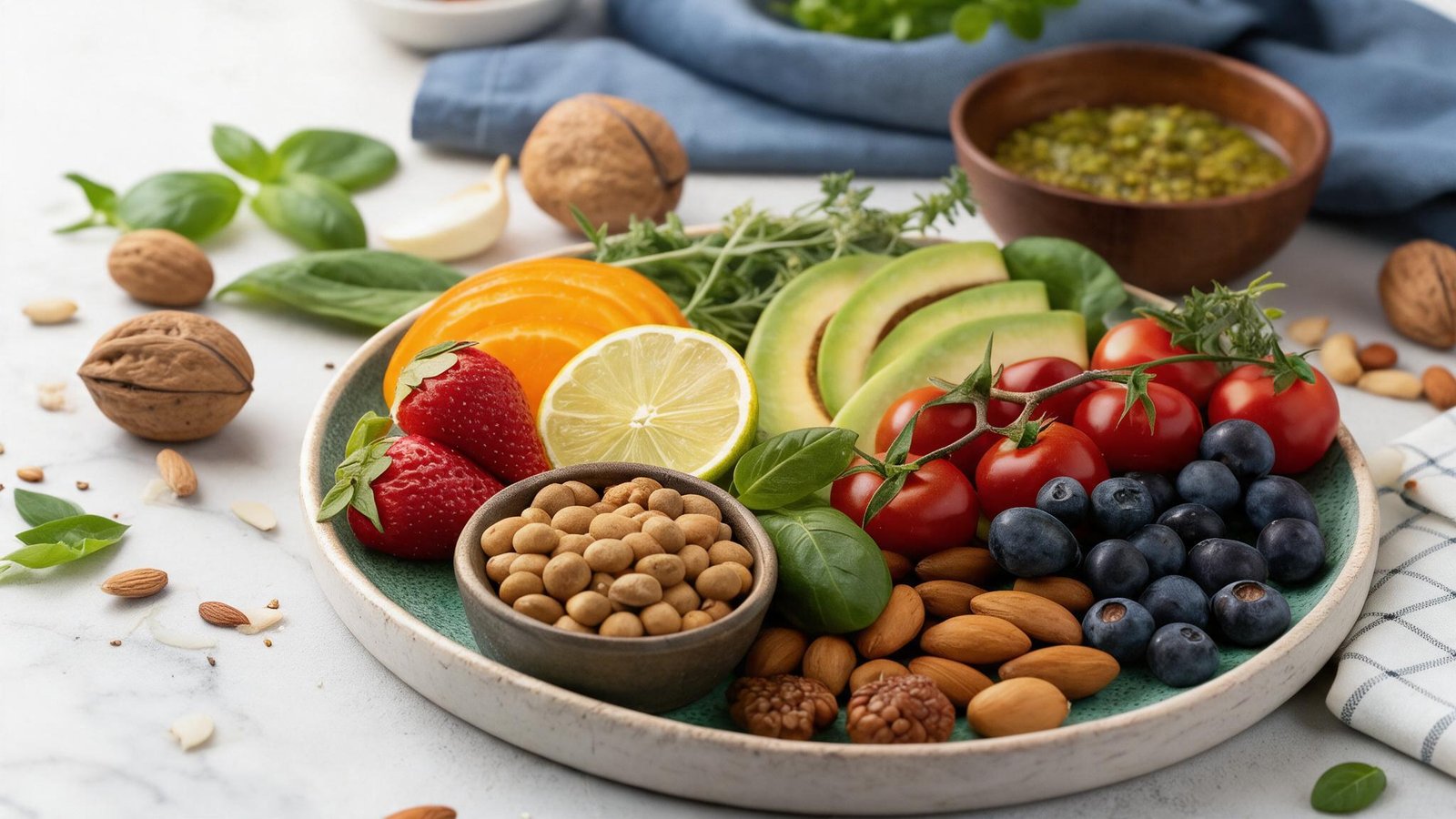
Most of us have heard that food and inflammation are connected. Fewer of us know where to start.
An Ayurvedic diet for inflammation is not a strict plan or a quick fix. It is a way of eating that pays attention to digestion, warmth, routine, and the way your body responds to each meal.
This guide explains what Ayurveda has traditionally said about food and inflammation. It covers which foods are commonly recommended and which are commonly limited. It also shows how your dosha may shape your choices. The information is general and educational, and it is not a substitute for medical advice.
Want to learn more about Ayurveda for your individual needs?
Learn more about our Ayurvedic consultations and find out how a personalised consultation can help you explore food, routine, and traditional Ayurvedic approaches
In Ayurveda, inflammation is traditionally linked to an imbalance in the body. Factors such as digestion, diet, lifestyle, and your dosha are considered when understanding how the body responds.
Two ideas sit at the centre of this view: Agni and Ama.
Agni means “digestive fire”. It describes how well you break down food, absorb nutrients and let go of what you do not need.
Ama is a word for the residue that traditionally builds up when digestion is sluggish. Ayurvedic texts describe it as heavy, sticky and dull.
When Agni is steady, food is considered well processed. When Agni is weak, Ama is said to build up. Ayurveda has traditionally linked that build-up with feelings of heaviness, stiffness and discomfort.
Food is the daily input to Agni. This is why Ayurveda often starts with diet before anything else.
This is a traditional framework, not a medical explanation. Modern science describes inflammation differently, through immune signals and cell responses. Both views agree on one thing: what you eat and how you eat it are worth paying attention to.
It also helps to know what the research says. The Australian Dietary Guidelines encourage a wide variety of vegetables, legumes, wholegrains, fruit and healthy fats. They also encourage limiting foods high in saturated fat, added sugar and salt. Much of this sits comfortably alongside Ayurvedic advice. Ayurveda is also personal. Two people can eat the same meal and feel very different afterwards. That is why the dosha section below matters.
Curious how Agni looks in your own case? Learn more about our Ayurvedic consultation at our Brisbane and Gold Coast clinics.
A common question is “what foods does Ayurveda recommend for inflammation?” The short answer is warm, freshly cooked, simple food that is easy to digest.
Here are the main groups.
Spices are a big part of Ayurvedic cooking. They are used in small amounts, every day, inside normal meals.
It is worth being honest about turmeric. The US National Center for Complementary and Integrative Health notes that there is not enough evidence to say definitively whether turmeric or curcumin is beneficial for health purposes. Adding turmeric to your cooking is very different from taking high-dose supplements, which can carry risks.
Ginger has a similar story. You can read a balanced summary in the NCCIH ginger fact sheet.
Ayurveda generally favours cooked food over raw food, especially when digestion feels weak.
Cooking is said to “pre-digest” food, so the body has less work to do. Good options include:
A simple vegetable soup or a mung dal kichari is a classic example. Both are warm, soft, and gentle.
Ayurveda does not fear fat. It values the right kind, in the right amount.
Many people choose to use other fats such as olive oil as well. Ghee is still a saturated fat, so keep portions modest and follow general health guidance if you have concerns about cholesterol or heart health.
Warm drinks are a daily habit in Ayurveda. Sipping warm water throughout the day is traditionally used to support digestion.
Popular choices include:
If you buy herbal products, check the label. In Australia, complementary medicines are regulated by the Therapeutic Goods Administration. Look for an AUST L or AUST R number on the packaging.
Not sure which spices or teas suit you? Browse our Wellness Shop or read our guide to Ayurvedic products.
The next question people ask is “what should I avoid?” Ayurveda does not label foods as good or bad. Instead, it asks whether a food is hard for your body to digest.
Here are the foods most often limited in Ayurvedic eating.
Packaged snacks, deep-fried foods and fast food are heavy and often hard to digest. Ayurveda traditionally links heavy, oily food with a build-up of Ama.
Modern guidance points the same way. The Australian Dietary Guidelines advise limiting processed foods high in saturated fat, salt and added sugar.
A simple swap helps. Choose a home-cooked meal instead of takeaway a few more times each week.
Dairy is not banned in Ayurveda. Warm milk with spices, ghee and fresh buttermilk are traditional. The concern is excess, especially cold, heavy dairy such as ice cream and large amounts of cold milk or cheese.
Cold food and drinks are also traditionally seen as dampening Agni. Iced drinks and fridge-cold leftovers eaten straight away are common examples.
If you notice heaviness or bloating after cold or dairy-rich foods, that is useful information to share with a practitioner.
Sweet is one of the six tastes in Ayurveda, and it has a place. Refined sugar is different. Sweets, soft drinks and sugary cereals are concentrated and easy to overeat.
The Australian Dietary Guidelines recommend limiting foods and drinks with added sugars. Fruit, cooked grains and a little jaggery or honey are more traditional ways to enjoy sweetness.
Nightshades include tomato, potato, eggplant and capsicum. Some people say they feel better when they eat fewer of them. This idea is popular in foods to avoid for inflammation in Ayurvedic searches.
It is fair to say the evidence is not strong. Many people eat nightshades with no trouble, and they are nutritious foods. Some Ayurvedic practitioners suggest that people with a strong Pitta nature may notice a difference with very spicy or sour nightshade dishes.
If you suspect a food bothers you, note how you feel after eating it. Do not cut out whole food groups without advice.
If you would like help sorting out which foods suit you, book an Ayurvedic consultation with one of our practitioners.
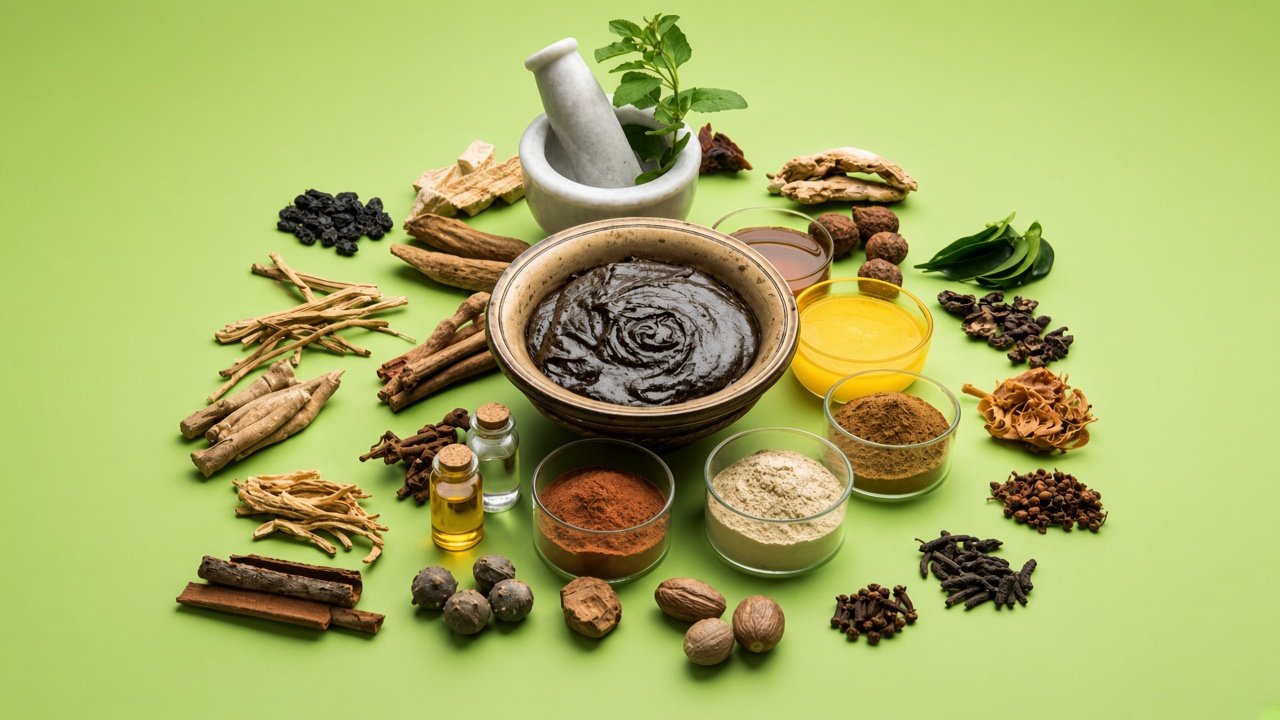 Does my dosha affect what I should eat? In Ayurveda, yes. The three doshas are Vata, Pitta, and Kapha. Each is traditionally linked with different qualities, and food is chosen to balance them.
Most people have a mix of all three. These tips are general, not a diagnosis.
Vata is traditionally described as light, dry, cold and changeable. When Vata is out of balance, digestion is said to be irregular.
A Vata-supporting approach usually includes:
Vata types are often advised to limit cold, dry and raw foods, and to avoid skipping meals.
Pitta is traditionally described as hot, sharp and intense. When Pitta is high, people are said to run “hot”, both in body and temperament.
A Pitta-supporting approach usually includes:
Pitta types are often advised to ease back on very spicy, sour, salty and fried foods, and on alcohol.
Kapha is traditionally described as heavy, slow, cool and moist. When Kapha builds up, people are said to feel sluggish.
A Kapha-supporting approach usually includes:
Kapha types are often advised to limit heavy, oily, sweet and cold foods, including too much dairy.
Your own pattern may not fit neatly into one box. A practitioner can look at your constitution, your current state and the season together.
Want personalised Ayurvedic guidance? → Meet Vaidya Dr Pradeep Neupane and learn about his approach to Ayurveda.
This is a general example only. Adjust it to your appetite, your dosha, and your health needs.
Start with a glass of warm water, perhaps with a slice of fresh ginger.
Breakfast should be light and warm if you feel hungry. Some ideas:
If you are not hungry, it is fine to wait a little. Ayurveda encourages eating when you feel real hunger.
Lunch is traditionally the largest meal of the day. This is when Agni is said to be strongest.
A balanced lunch might include:
If you need a snack, keep it simple. A piece of fruit, a small handful of soaked almonds, or a cup of CCF tea works well.
Dinner is traditionally lighter and eaten earlier.
Try a warm vegetable soup, a small bowl of kichari, or steamed vegetables with a little rice. Avoid heavy, oily, or cold meals late at night.
Finish eating at least two to three hours before bed if you can. Many people find this helps with comfort and sleep.
Next step: Want a plan built around your own routine and preferences? Contact our team for a personalised consultation.
Ayurveda sees food as only one part of the picture. Habits around food matter too.
Eating at regular times helps your body know what to expect. Try to keep breakfast, lunch and dinner at similar times each day.
Leave a gap of about three to four hours between meals. This gives your body time to finish digesting before the next one arrives.
Traditional advice is simple and sensible:
These small habits are said to support Agni. They also help you notice what your body is telling you.
Dinacharya is the Ayurvedic idea of a steady daily routine. It usually includes:
Routine is traditionally seen as calming for the whole system. It is also something you can build slowly, one habit at a time.
Sleep and stress affect how we feel every day. Ayurveda has always linked mind and body. Gentle practices such as breathing exercises, time in nature, and relaxing treatments are commonly used to support a sense of balance. Some people include Ayurvedic massage in their regular self-care routine. Traditional massage techniques and warm herbal oils can make the experience feel calming and relaxing.
Interested in exploring Ayurveda more broadly?
Learn about our Panchakarma programs and find out how the process begins with a personal consultation.
A good diet is a useful place to start. But some situations call for professional guidance.
Consider speaking with a practitioner if:
Ongoing symptoms should always be checked by a medical doctor. This includes joint pain, swelling, unexplained fatigue, fever, or anything that worries you.
For general information on inflammation and when to seek care, see Healthdirect. Ayurvedic care is intended to complement medical care, not replace it.
Your first visit begins with a conversation. Your practitioner will ask about your health history, your diet, your sleep, your stress, and your daily routine. From there, they can offer personalised lifestyle and dietary guidance based on traditional Ayurvedic principles.
If you are wondering how to choose a practitioner, our guide to choosing an Ayurvedic doctor is a helpful place to begin. You can also read about how Vibrant Ayurveda supports inflammation with Ayurvedic care.
It is also worth knowing that health practitioners in Australia must follow advertising rules set by AHPRA. These rules exist so that health information is honest and not misleading. We follow the same spirit here. Outcomes vary from person to person, and we do not promise cures.
Ready to talk it through? Visit our inflammation support page or book an appointment in Brisbane or on the Gold Coast.
Eating for inflammation, the Ayurvedic way, is less about strict rules and more about paying attention. Choose warm, fresh, simple food. Eat at regular times. Notice how each meal makes you feel.
Small steps add up. Start with one change this week, such as swapping a cold drink for warm water or adding a little ginger to dinner.
If you would like guidance that fits you, our team is here to help. Visit our inflammation support page or book an Ayurvedic consultation at our Brisbane or Gold Coast clinic.
This article is general information only and does not replace advice from a qualified health professional. Ayurvedic services are intended to support general wellbeing, and individual outcomes may vary.