Hormones play an important role in regulating key bodily functions, including metabolism, mood, sleep, digestion, reproductive health, and energy. Maintaining healthy lifestyle practices may support overall balance and well-being in daily life.
Ayurvedic principles consider lifestyle factors such as diet, stress management, and daily routines to support natural bodily rhythms and encourage overall wellness without claiming to treat or correct hormonal conditions.
Focusing on nutrition, relaxation, and mindful routines can help individuals feel balanced and supported in their wellbeing, in line with holistic Ayurvedic care practices.
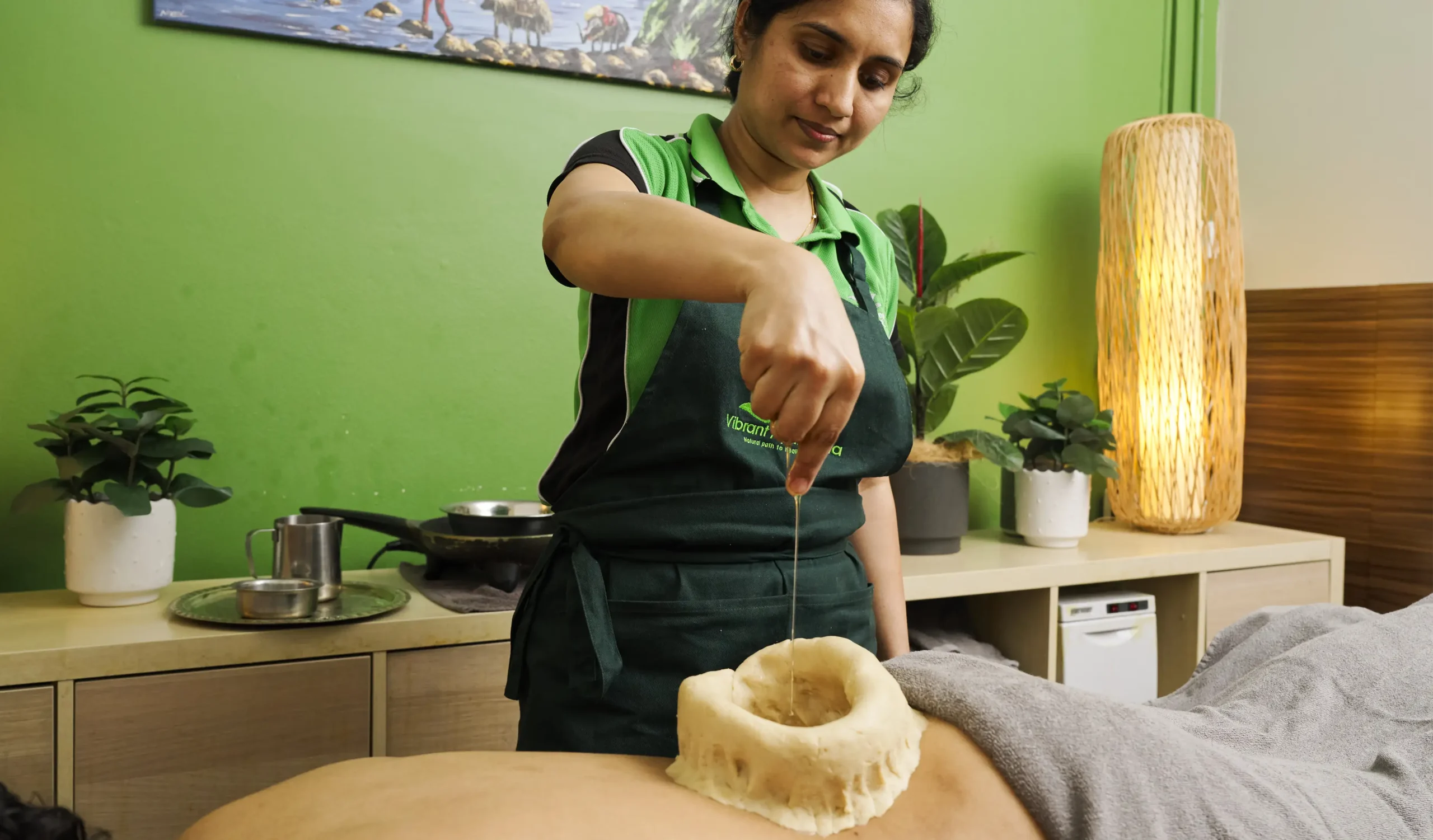
Hormonal imbalance may develop from multiple lifestyle and physiological influences.
Symptoms may affect menstrual cycles, metabolic health, mood stability, sleep quality, and energy regulation.
Ayurvedic care aims to restore balance by strengthening foundational systems rather than managing isolated symptoms.
In Ayurveda, hormonal balance depends on:
Hormonal imbalance is viewed as the result of systemic disruption rather than a single glandular disorder. When digestion weakens and toxins accumulate, endocrine rhythms may be disturbed.
Ayurveda evaluates digestion, lifestyle habits, emotional stress, and metabolic balance to identify underlying contributors.
Lifestyle significantly influences inflammatory health.
Recommended adjustments may include:
Consistency in lifestyle practices supports long-term stability.
Our personalised Ayurvedic approach supports individuals experiencing various forms of hormonal imbalance.

Hormonal balance plays a key role in supporting overall well-being, influencing energy, mood, metabolism, sleep patterns, and reproductive health. The endocrine system, including glands such as the pituitary, thyroid, adrenal glands, pancreas, and reproductive organs, contributes to maintaining healthy physiological rhythms. Natural fluctuations occur during life stages such as puberty, menstrual cycles, pregnancy, and menopause. Lifestyle factors, stress levels, nutrition, and environmental exposures can influence these natural rhythms, potentially affecting how the body feels day to day. Approaches focusing on balanced nutrition, regular routines, stress management, and holistic practices may help individuals feel supported, promote wellness, and maintain a sense of overall harmony in daily life.

Ayurveda recognises that each person has a unique constitution, or Dosha – Vata, Pitta, and Kapha. Hormonal imbalance may be associated with variations in Dosha, digestive health, metabolic function, and lifestyle habits. Rather than targeting hormones directly, Ayurvedic approaches focus on supporting overall well-being through balanced routines, mindful nutrition, stress management, and holistic practices. By considering digestive strength, daily habits, and emotional wellness, individuals can feel supported, fostering a sense of equilibrium and harmony throughout the body and mind.

Nutrition plays a central role in maintaining hormonal stability. Ayurvedic dietary guidance focuses on strengthening digestion, supporting liver function, and providing balanced nourishment that aligns with an individual’s constitution and life stage. Freshly prepared foods, digestive spices, consistent meal timing, and nutrient-dense ingredients may support metabolic stability. By promoting efficient digestion and balanced nutrient absorption, nutrition may help maintain endocrine harmony while supporting overall well-being.

Traditional Ayurvedic practice may include herbal preparations selected according to an individual’s constitution and presenting concerns. These natural formulations are traditionally used to support digestive function, metabolic processes, and systemic balance. Rather than targeting isolated symptoms, herbal support aims to assist the body’s natural regulatory mechanisms. When combined with personalised dietary guidance and lifestyle practices, herbal support may contribute to improved hormonal equilibrium.

Lifestyle habits strongly influence endocrine balance. Ayurveda emphasises structured daily routines, restorative sleep patterns, regular movement, and stress management as key pillars of hormonal wellness. Practices such as yoga, breathing exercises, meditation, and balanced work–rest rhythms may support nervous system regulation. Aligning lifestyle patterns with natural biological rhythms can help promote sustainable hormonal balance and long-term well-being.
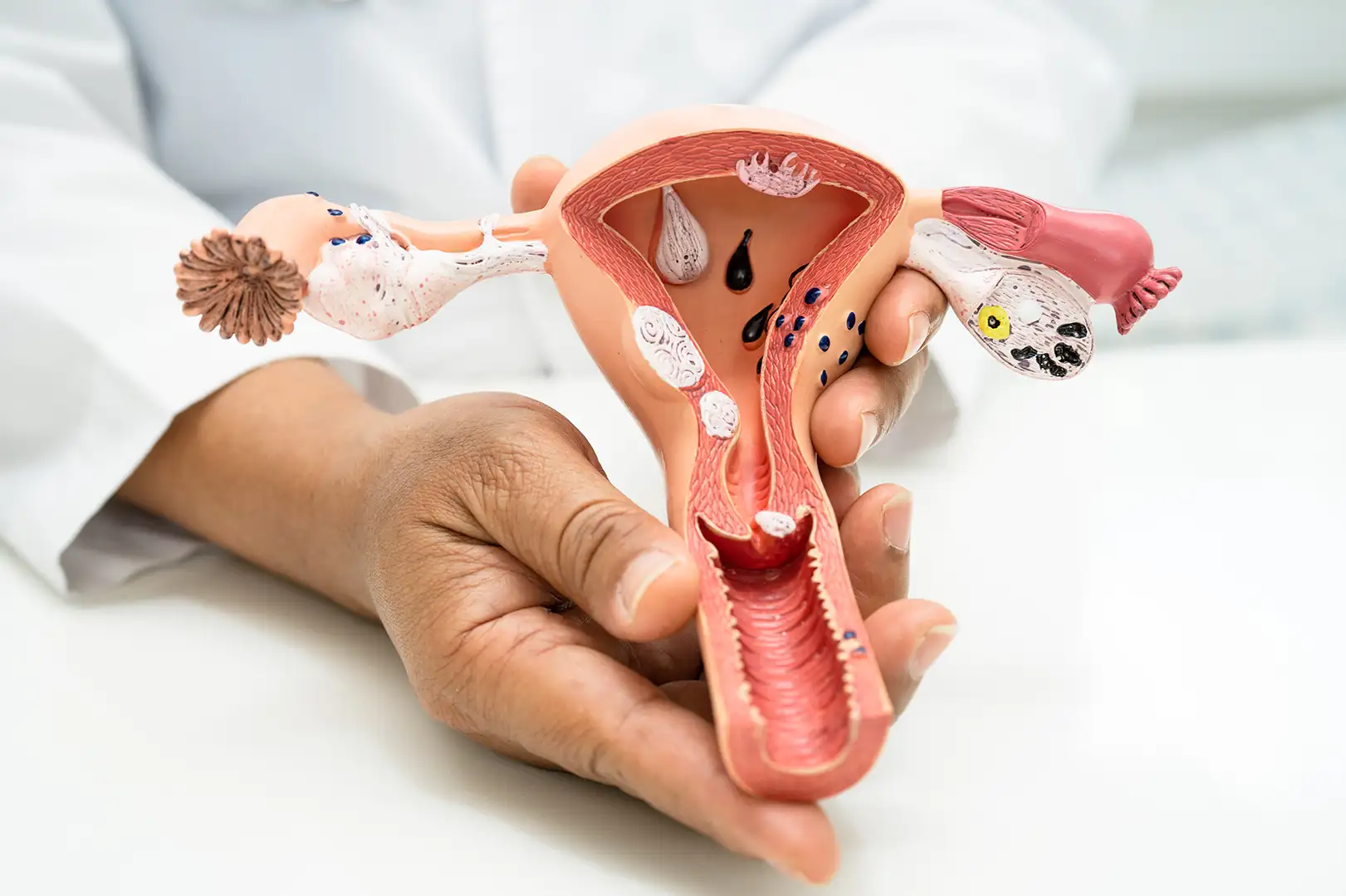
Hormonal changes play an important role in reproductive health throughout different life stages. Some individuals may experience menstrual irregularities, fatigue, or fluctuations in energy and mood during these transitions. Ayurvedic consultation focuses on identifying contributing lifestyle and physiological factors while supporting overall reproductive wellbeing through personalised guidance.

Amenorrhoea refers to the absence of menstrual cycles in individuals of reproductive age. This condition may occur naturally before puberty, during pregnancy, or after menopause. In other cases, it may be associated with factors such as stress, significant weight changes, excessive exercise, or underlying health conditions. Primary amenorrhoea refers to the absence of menstruation by late adolescence. Ayurvedic consultation focuses on assessing individual health patterns and supporting the restoration of balanced physiological function.
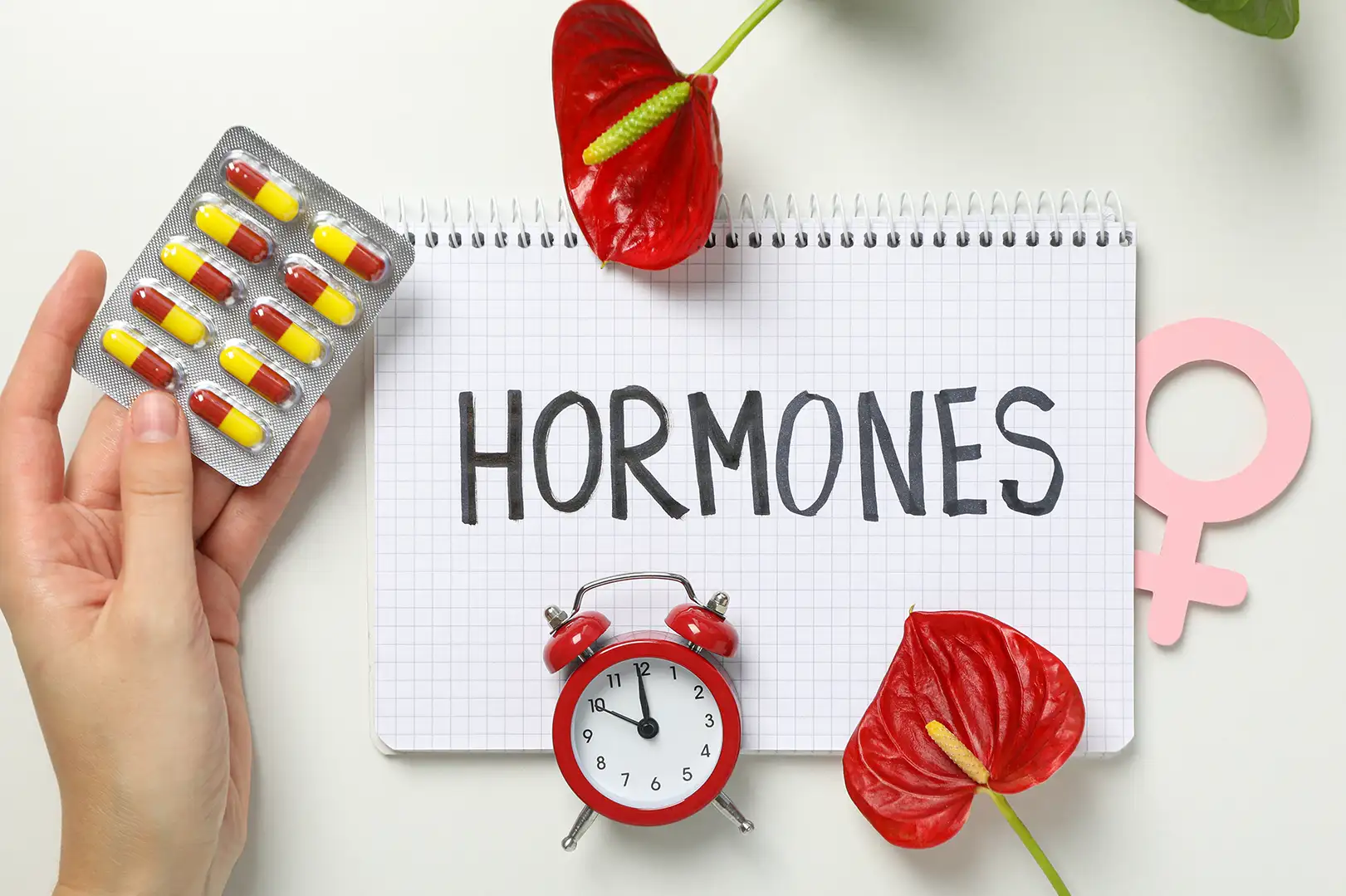
Hormones influence growth, metabolism, mood regulation, sleep cycles, reproductive health, and overall physiological stability. These chemical messengers travel through the bloodstream, coordinating communication between organs and tissues. When hormonal signals become disrupted, various body systems may respond with noticeable symptoms. Ayurvedic consultation evaluates systemic balance and supports endocrine health through personalised dietary, lifestyle, and wellness strategies.
Menopause represents a natural stage in a woman’s life when menstrual cycles gradually cease. This transition often occurs between the ages of forty-five and fifty-five and may involve changes in temperature regulation, sleep patterns, mood stability, and energy levels. Ayurveda views menopause as a significant life transition rather than a disorder. Supportive care focuses on maintaining digestive strength, emotional balance, and lifestyle alignment during this stage. Personalised wellness guidance may help individuals adapt comfortably while maintaining overall vitality.
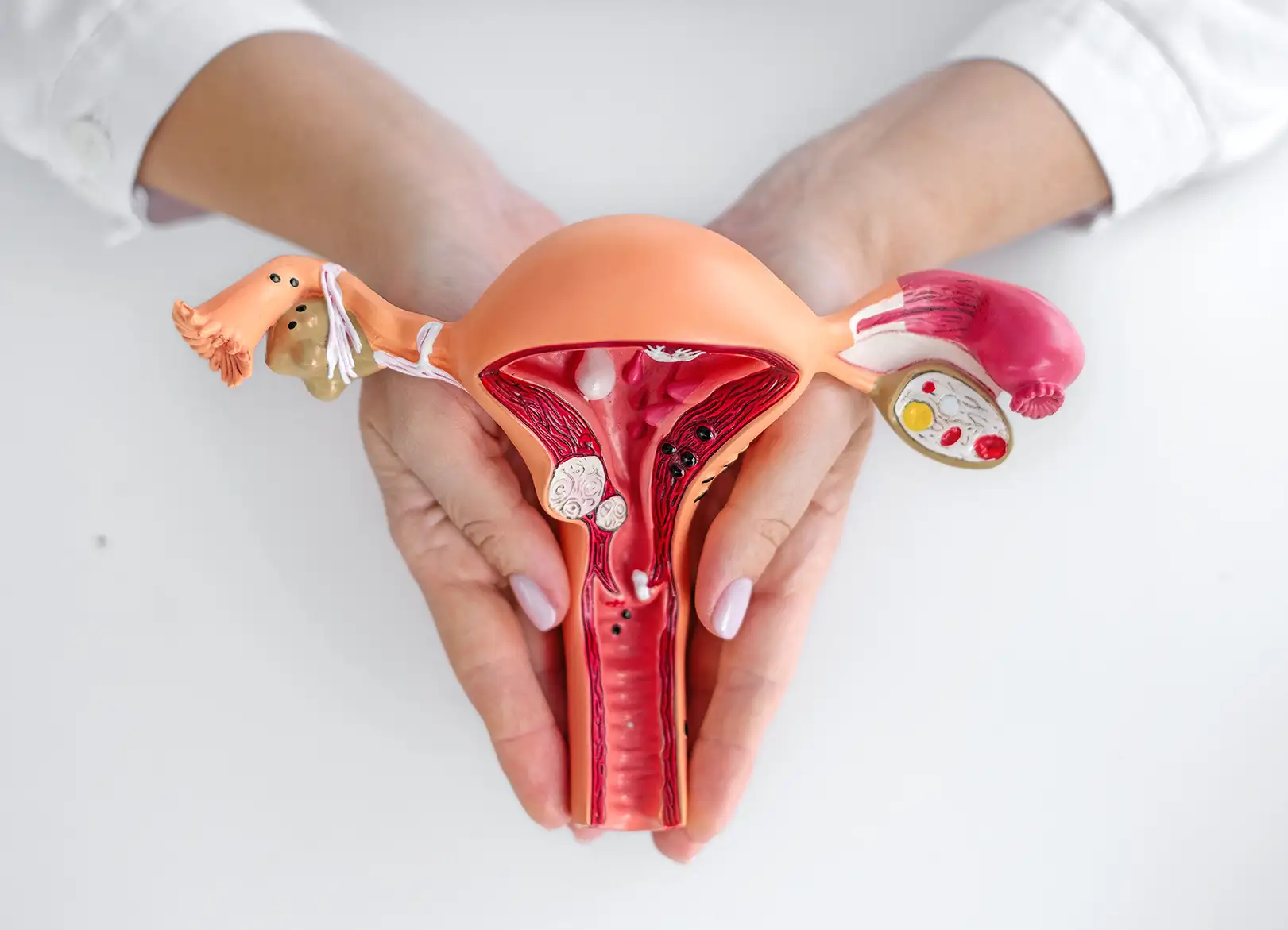
Polycystic Ovarian Syndrome is an endocrine condition that may affect menstrual cycles, metabolic function, and reproductive health. Individuals may experience irregular cycles, hormonal fluctuations, or metabolic changes. Because the condition can present in different ways, early assessment is beneficial. Ayurvedic consultation focuses on identifying underlying patterns and supporting balanced metabolic and hormonal function.

Hormonal changes during pregnancy support fetal development and maternal health. Maintaining balanced nutrition, emotional well-being, and adequate rest is essential during this stage. Ayurvedic guidance traditionally emphasises personalised dietary recommendations, lifestyle awareness, and supportive care practices throughout pregnancy. This approach aims to support maternal well-being while promoting healthy development during this important life transition.

Sustainable hormonal wellness often depends on consistent lifestyle habits and preventive care. Balanced nutrition, adequate rest, stress management, and regular daily routines may support long-term endocrine balance. Through personalised consultation, individuals may develop structured wellness strategies that help maintain hormonal stability and overall vitality across different life stages.
Restore balance through structured Ayurvedic consultation and personalised care.
Hormonal imbalance can be addressed through lifestyle adjustments, balanced nutrition, stress management, and personalised Ayurvedic care that supports natural endocrine regulation. Consistent practices often help restore systemic balance.
Ayurvedic treatment for hormonal imbalance focuses on strengthening digestion, supporting liver function, reducing toxins, and balancing Doshas. Lifestyle changes such as regular sleep, physical activity, and stress-reducing practices complement dietary and herbal interventions. This holistic approach targets underlying causes rather than only managing symptoms, improving overall endocrine function and wellbeing.
Consult an Ayurvedic practitioner for personalised dietary, lifestyle, and herbal guidance to address your hormonal imbalance effectively.
Hormonal imbalance may arise from chronic stress, poor digestion, environmental factors, nutritional deficiencies, toxin accumulation, or irregular lifestyle patterns. These factors disrupt endocrine system communication and overall physiological harmony.
The endocrine system relies on precise hormone production and timing. Stress, poor diet, sleep disruptions, environmental toxins, and digestive inefficiencies can impair gland function, causing over- or under-production of hormones. Ayurveda interprets these disturbances as imbalances in Doshas and Agni (digestive fire). Understanding root causes enables interventions to restore natural rhythms and support systemic health rather than simply masking symptoms with medications or supplements.
Address lifestyle, dietary, and environmental factors early, and consider a personalised Ayurvedic consultation to identify specific contributors to your hormone imbalance.
Symptoms include menstrual irregularities, fatigue, mood swings, poor sleep, metabolic changes, low energy, and digestive disturbances. Recognition of patterns is essential to assess and manage hormonal imbalance effectively.
Hormones regulate multiple systems, including metabolism, reproduction, sleep, and mood. Imbalances can produce subtle or pronounced changes across these areas. Ayurveda considers symptoms as indicators of systemic disruption, guiding holistic treatment that addresses digestion, detoxification, nervous system regulation, and lifestyle. Early identification of symptoms allows tailored interventions to restore balance, support endocrine health, and prevent long-term complications linked to chronic hormone disruption.
Track recurring symptoms and seek professional evaluation to confirm a hormonal imbalance and receive a personalised treatment plan.
Hormone imbalance occurs when endocrine glands produce too much or too little of specific hormones, disrupting communication between organs and affecting metabolism, mood, reproduction, sleep, and overall physiological stability.
Even minor fluctuations in hormone levels can have widespread systemic effects. The endocrine system includes glands such as the thyroid, adrenal, pancreas, pituitary, and reproductive organs. Ayurveda evaluates the body holistically, considering diet, digestion, toxin load, lifestyle, and emotional stress as contributing factors. Supporting the body’s natural regulatory mechanisms through nutrition, herbal remedies, and lifestyle alignment can help restore balance and maintain overall well-being.
Engage in comprehensive assessment and personalised Ayurvedic support to stabilise hormone function safely and effectively.
A hormone imbalance test measures levels of key hormones such as thyroid, cortisol, estrogen, progesterone, and insulin. Results help guide diagnosis and personalised interventions for endocrine health restoration.
Testing can include blood, saliva, or urine analysis to assess hormone concentrations and detect imbalances. Results should be interpreted alongside lifestyle, nutrition, and health history. Ayurveda complements testing by evaluating systemic signs of imbalance and guiding holistic interventions such as dietary adjustments, herbal support, and lifestyle routines. Combining modern testing with Ayurvedic insight ensures a comprehensive strategy to address root causes and promote sustainable hormonal balance.
Consult a healthcare professional for appropriate hormone testing and integrate findings with personalised Ayurvedic treatment.
Discover wellness therapies designed to help you relax, restore comfort, and improve overall well-being.
Discover wellness therapies designed to help you relax, restore comfort, and improve overall well-being.