Classical Ayurvedic Therapies for Holistic Wellbeing
Traditional Ayurvedic therapy uses herbal oils, massage, and marma techniques to promote relaxation and balance.
Classical Ayurvedic Therapies for Holistic Wellbeing
Traditional Ayurvedic therapy uses herbal oils, massage, and marma techniques to promote relaxation and balance.
Traditional Ayurvedic therapy practices have long been part of holistic wellbeing routines. These therapies encourage relaxation and comfort using herbal oils and gentle massage techniques. Many sessions include ayurvedic massage therapy approaches that support calmness and overall balance.
Sessions may include gentle marma therapy point stimulation and personalised techniques designed to support relaxation, comfort, and individual wellbeing preferences.
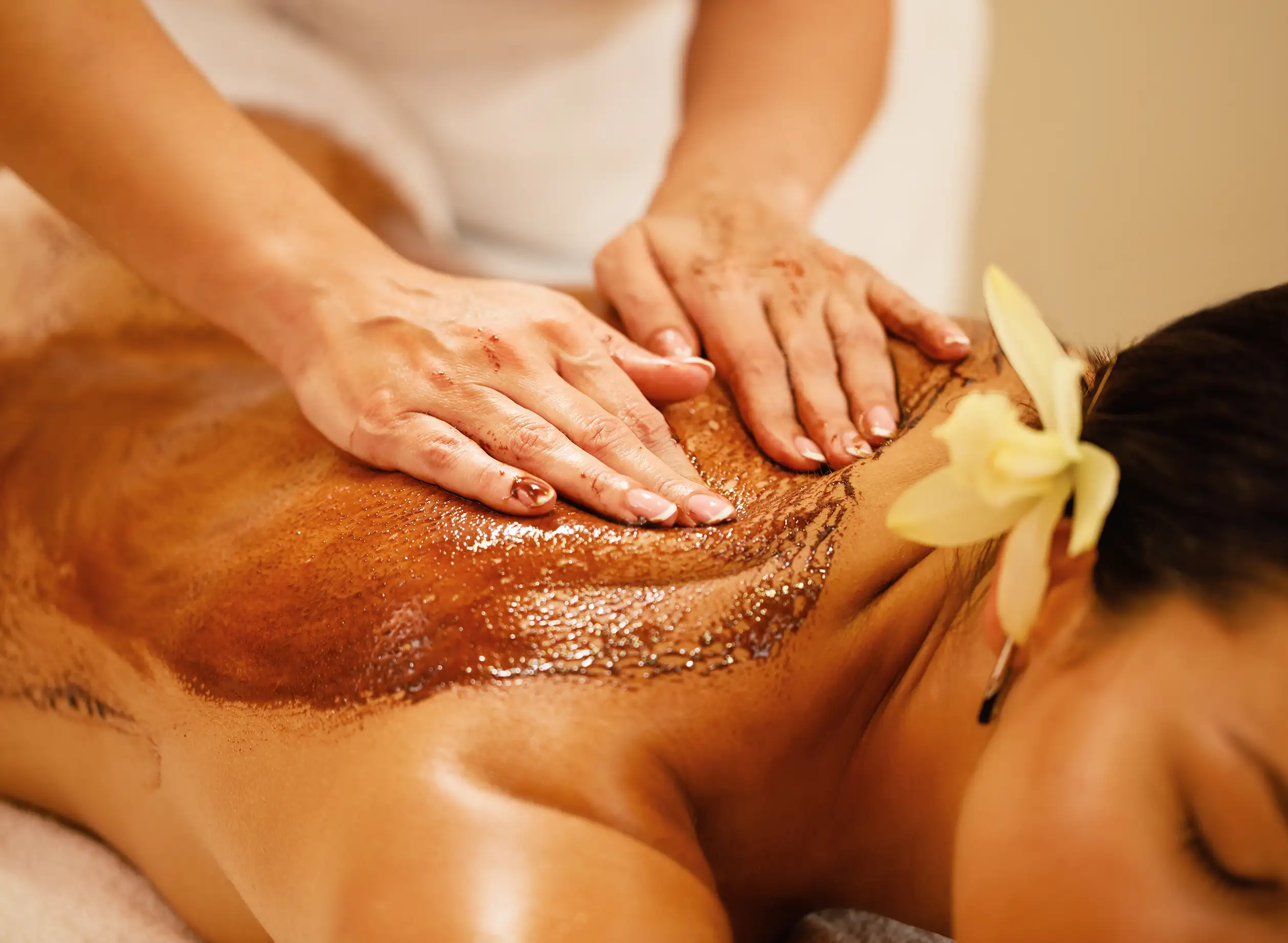
Experience specialised Ayurvedic therapy inspired by classical Ayurveda, with personalised Ayurvedic massage therapy techniques designed to encourage relaxation, support overall wellbeing, and create a calm environment for body and mind.
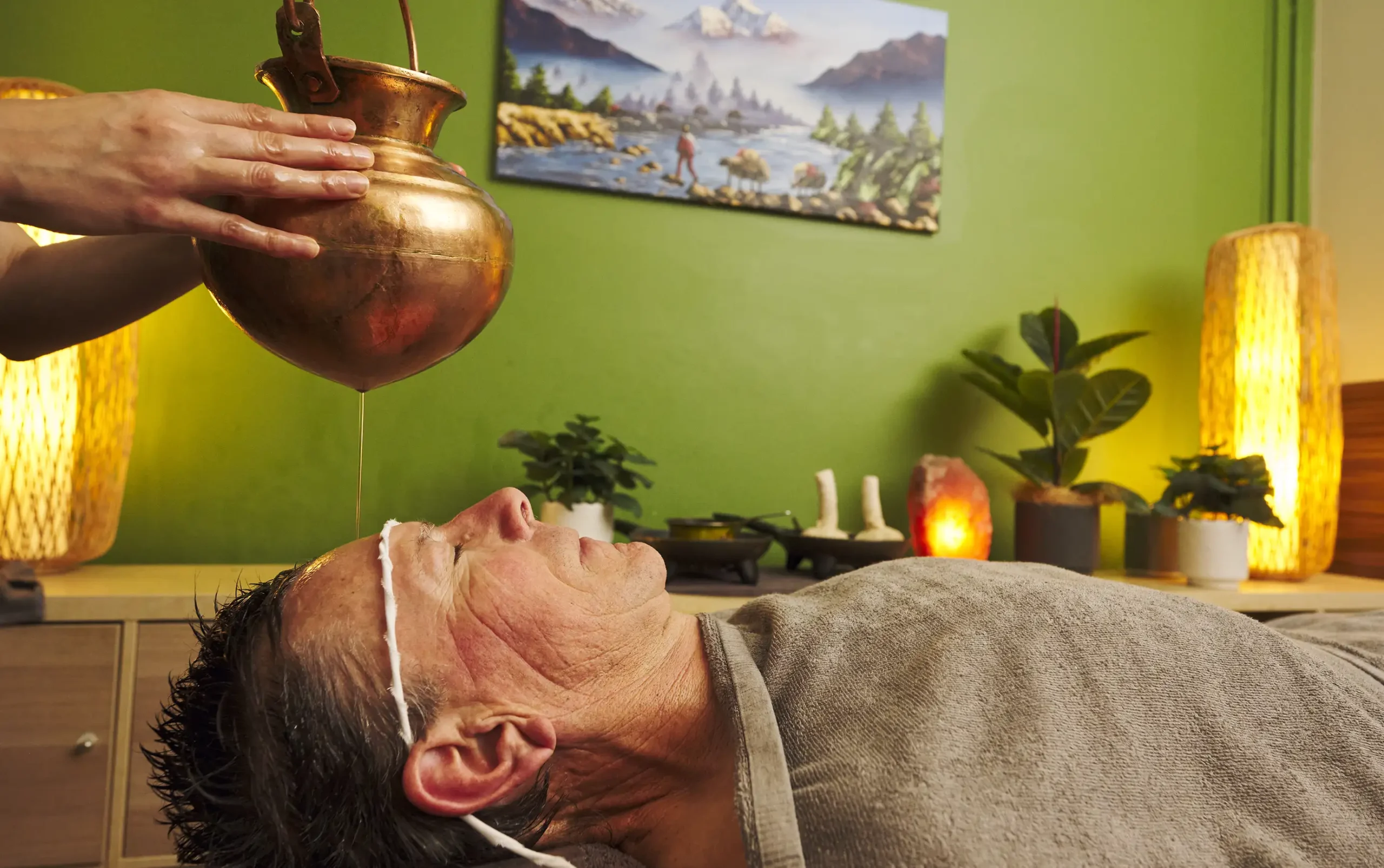
Shirodhara is a traditional Ayurvedic therapy where warm herbal oil flows gently over the forehead. Often included in ayurvedic massage therapy, it aims to promote relaxation and calmness. Individual experiences vary, and the therapy is provided as a well-being practice.
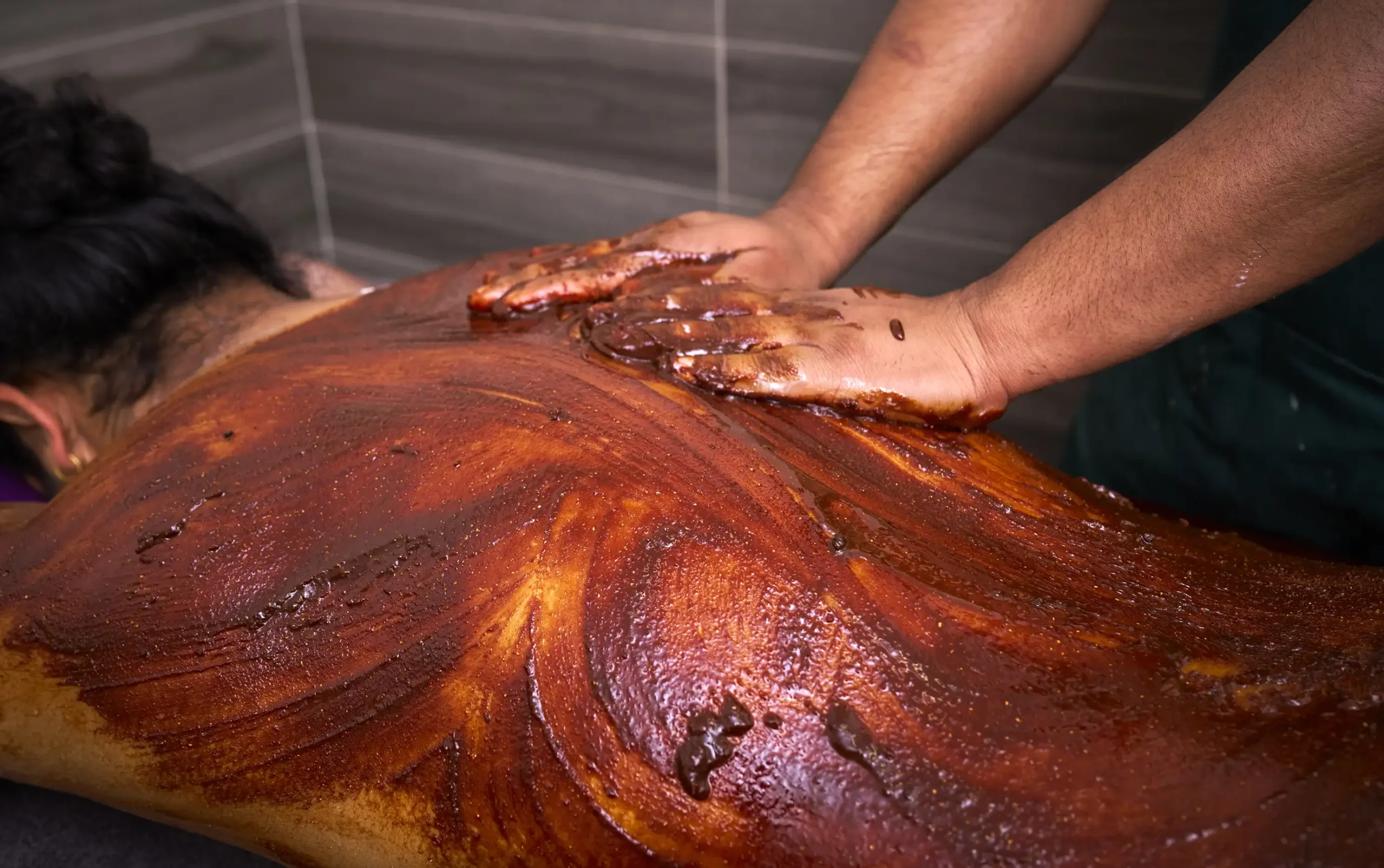
Udvartana is a traditional ayurvedic massage therapy using herbal powders and oils with rhythmic strokes. This Ayurvedic therapy, rooted in Ayurveda, aims to refresh the body, support relaxation, and may include gentle stimulation of marma therapy points.
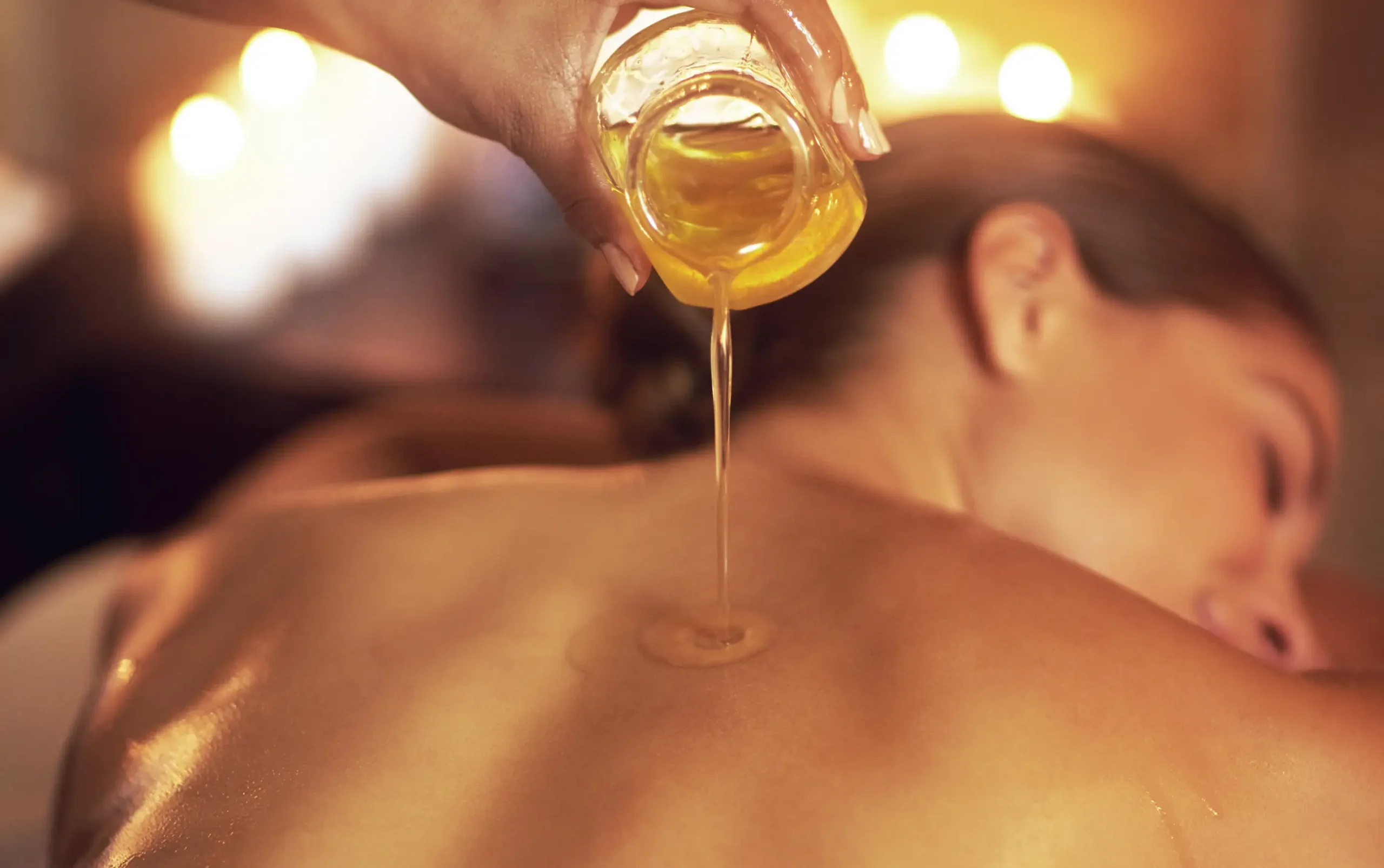
Pizhichil is a classical Ayurvedic therapy where warm herbal oil is poured over the body with rhythmic Ayurvedic massage therapy techniques. Rooted in Ayurveda, it aims to promote relaxation and comfort, with sessions tailored to individual well-being preferences.
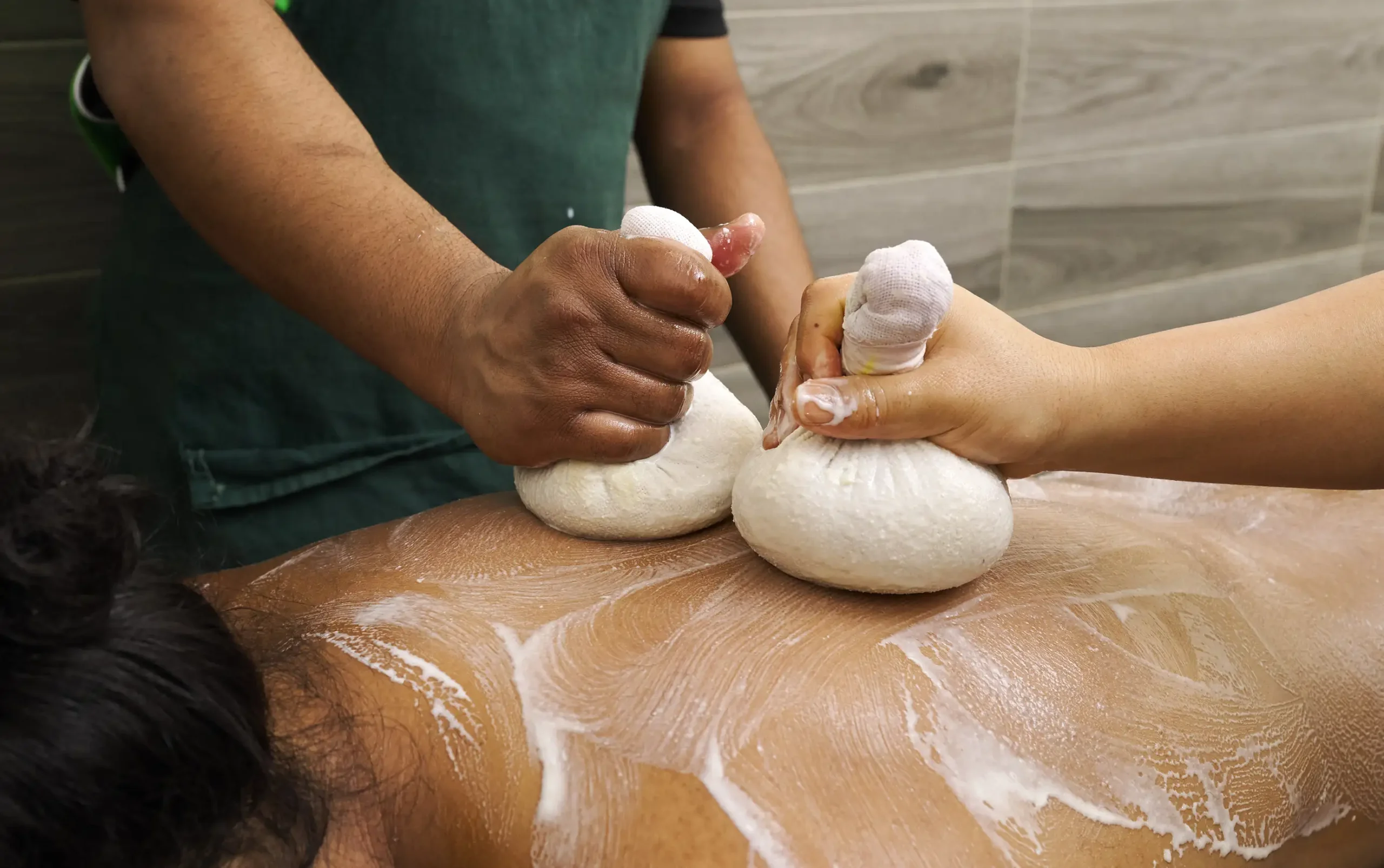
Njavarakizhi is a traditional Ayurvedic therapy using warm herbal rice bundles applied with rhythmic Ayurvedic massage therapy techniques. Rooted in Ayurveda, the treatment provides warmth and relaxation and may include gentle stimulation of marma therapy points.
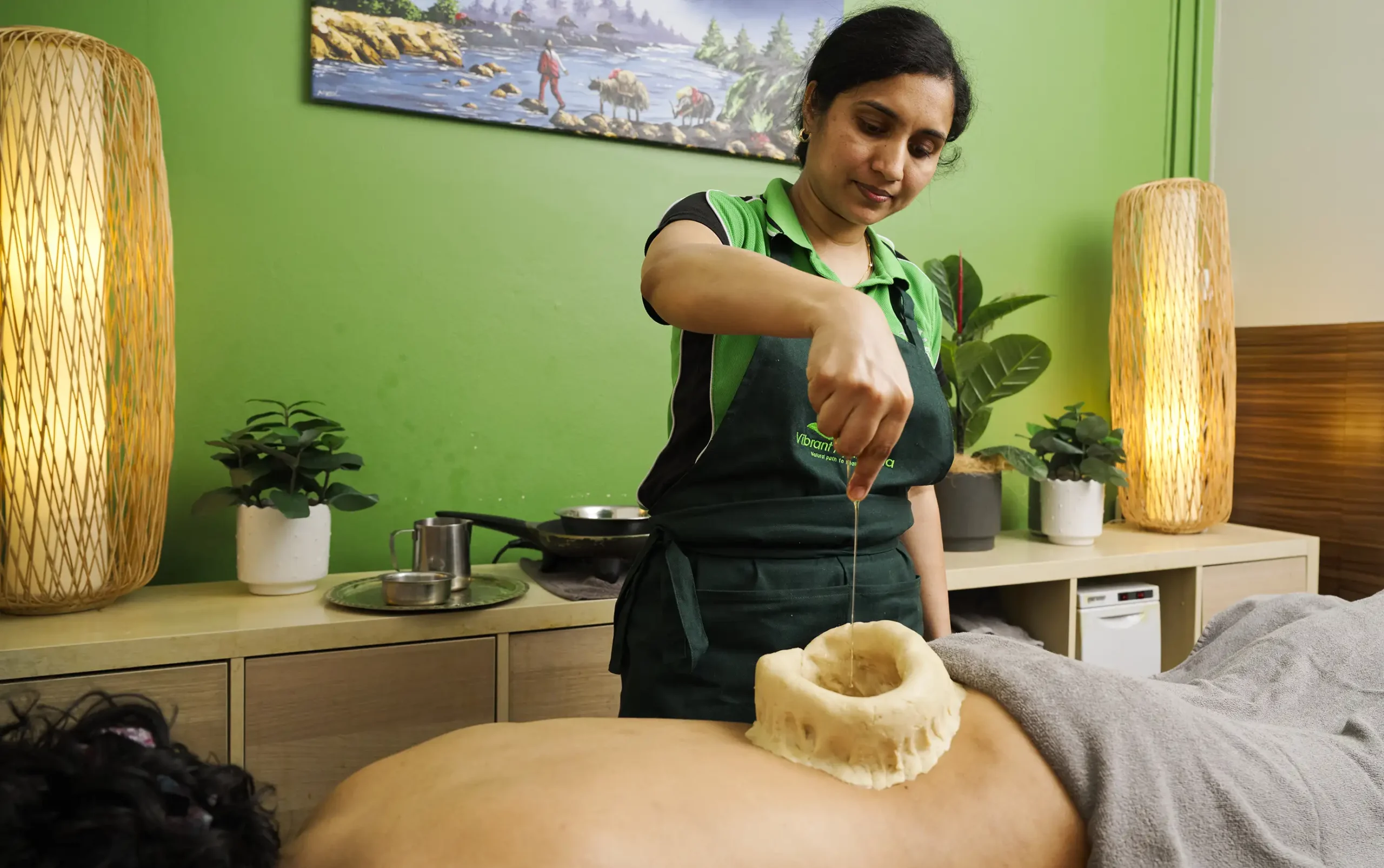
Kati Vasti is a specialised Ayurvedic therapy where warm herbal oil is retained over the lower back. Used in Ayurveda, it may complement Ayurvedic massage therapy to support relaxation and comfort in a calm setting.
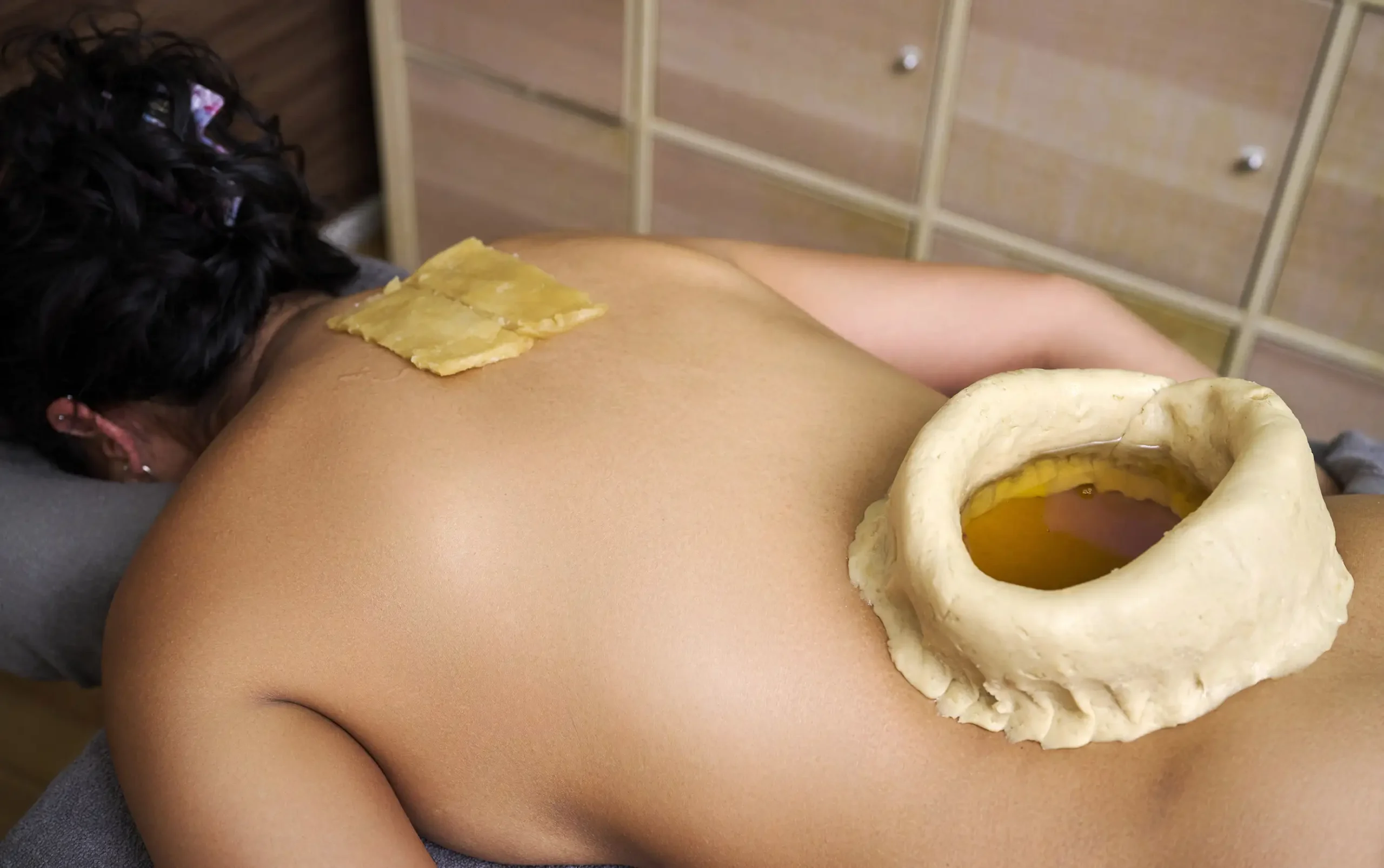
Pichu is a gentle Ayurvedic therapy using cloth pads soaked in warm herbal oil. Used in Ayurveda, it may complement Ayurvedic massage therapy and sometimes include marma therapy techniques.
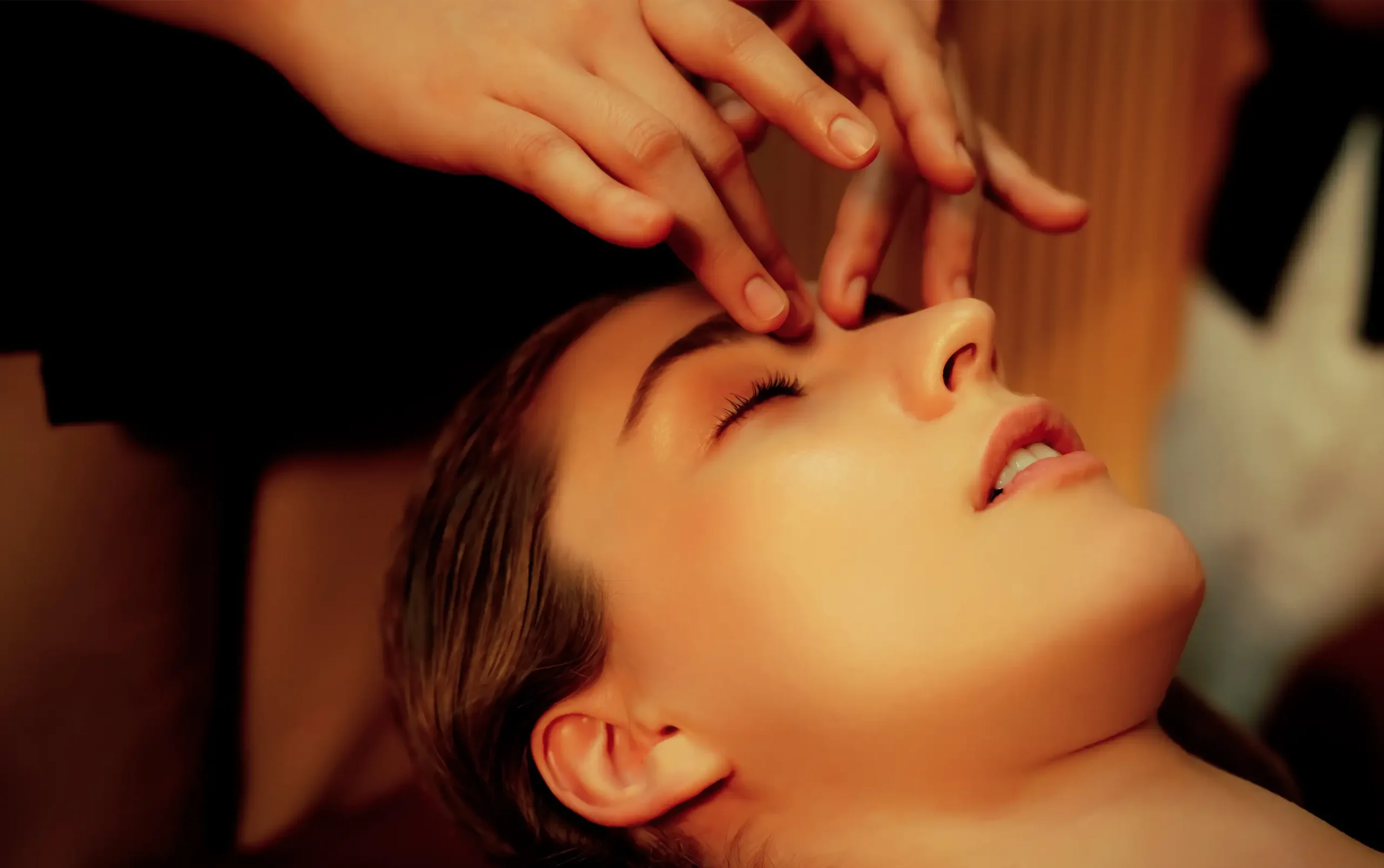
Nasya is a traditional Ayurvedic therapy where small amounts of herbal oil are applied through the nasal passages. In Ayurveda, it may complement Ayurvedic massage therapy and relaxation practices.

Akshi Tarpana is an Ayurvedic eye therapy using medicated ghee or oils held around the eyes briefly, promoting relaxation and comfort, and is often part of a holistic Ayurvedic massage program.
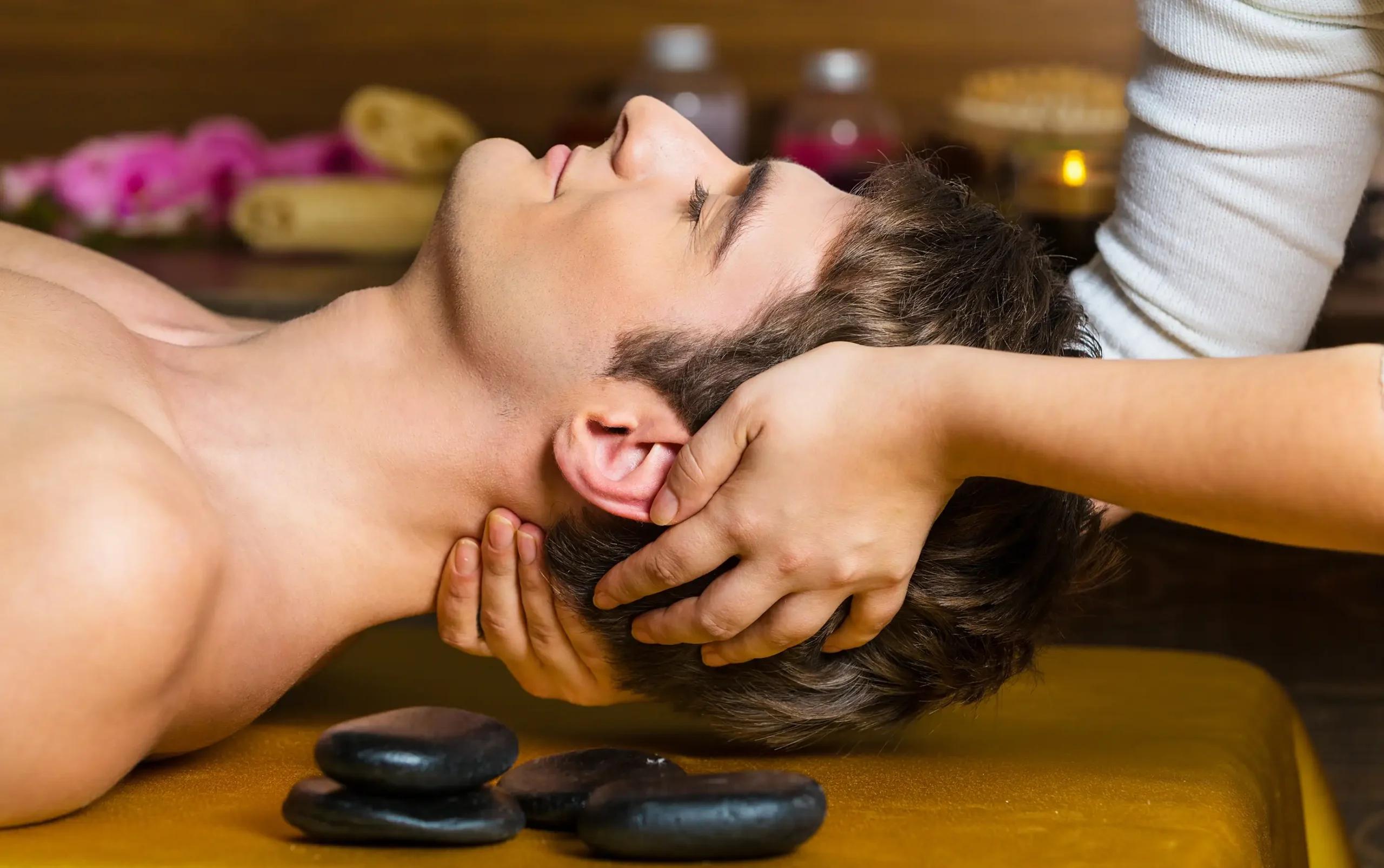
Karna Poorna is a traditional Ayurvedic therapy applying warm herbal oil to the ears, often with head or neck massage, promoting relaxation, calmness, and a soothing, therapeutic wellness experience.
Ayurvedic therapy refers to traditional wellness practices from Ayurveda that use herbal oils, massage techniques, and relaxation rituals to support balance, relaxation, and overall well-being.
These therapies originate from the ancient Indian system of ayurveda, which focuses on harmony between the body, mind, and environment. Treatments often include ayurvedic massage therapy, herbal oils, and techniques such as marma therapy that gently stimulate specific body points. While many people seek these therapies for relaxation and well-being, responses can vary from person to person, and the treatments are not intended to replace medical care.
Book a consultation to discuss whether Ayurvedic therapy is suitable for your personal wellness goals.
An ayurvedic massage therapy session typically involves warm herbal oils and rhythmic massage techniques designed to encourage relaxation and support general well-being.
Therapists use traditional techniques from Ayurveda, including long flowing strokes and gentle stimulation of marma therapy points. Oils may be chosen based on comfort and traditional Ayurvedic principles. The session usually takes place in a quiet environment designed to help clients unwind. The focus is on creating a calming experience rather than achieving a specific medical outcome.
Discuss any health concerns with your practitioner before your session.
Marma therapy is a traditional Ayurvedic practice that involves gentle stimulation of specific points on the body believed in Ayurveda to support relaxation and balance.
In Ayurveda, marma points are described as areas where energy pathways intersect. Practitioners may apply light pressure or massage techniques during ayurvedic massage therapy to encourage relaxation. These points are integrated into many Ayurvedic treatments and are intended to complement broader wellness practices rather than replace clinical care.
Speak with your practitioner to understand how marma therapy may be included in your session.
Many people explore Ayurvedic therapy as part of their wellbeing routine, but suitability can vary depending on individual health circumstances.
Different therapies within Ayurveda, including ayurvedic massage therapy and herbal oil treatments, may be adapted for comfort and relaxation. However, certain conditions may require modified techniques or professional medical advice. A consultation helps determine which therapies are appropriate based on personal preferences and health considerations.
Always inform your practitioner about medical conditions, allergies, or medications before treatment.
The frequency of ayurvedic massage therapy varies depending on personal preferences, lifestyle, and well-being goals.
Some people choose occasional sessions for relaxation, while others include Ayurvedic therapy regularly as part of a broader self-care routine. In Ayurveda, treatments may be recommended based on seasonal changes, lifestyle factors, and individual needs. Your practitioner can suggest a schedule that suits your comfort and goals.
Discuss your wellbeing goals during consultation to create a personalised treatment plan.
Ayurvedic therapies offered in wellness settings are generally provided as relaxation and wellbeing practices rather than medical treatments.
While Ayurveda is a traditional health system, therapies such as Ayurvedic massage therapy or marma therapy in wellness centres typically focus on relaxation and lifestyle balance. They are not intended to diagnose, treat, or cure medical conditions. People with health concerns should seek advice from a qualified healthcare professional.
Consult your doctor if you have ongoing health symptoms or medical conditions.
Discover wellness therapies designed to help you relax, restore comfort, and improve overall well-being.
Discover wellness therapies designed to help you relax, restore comfort, and improve overall well-being.