
Pain and inflammatory responses are signals sent by the body letting us know it is out of balance. While inflammation is a natural protective response, chronic inflammation may contribute to discomfort, stiffness, fatigue, and reduced mobility.
In Ayurveda, inflammation is often linked with Pitta Imbalance, disturbed Vata, toxin accumulation (Ama), and weakened digestion (Agni). At Vibrant Ayurveda, we focus on identifying the contributing factors for imbalances and providing wellbeing guidance to offer natural help for inflammation.

Inflammation is the body’s natural defence mechanism against injury, stress, or infection. However, when digestive function weakens and toxins accumulate, inflammation may become chronic.
Common signs of inflammatory imbalance include:
Chronic inflammation may contribute to musculoskeletal disorders, nerve discomfort, sinus congestion, skin flare-ups, and systemic imbalance.
Ayurveda views inflammation as a combination of:
When digestion is impaired, partially processed metabolic waste (Ama) circulates through the body and may lodge in joints, tissues, or organs.
Treatment focuses on:
Diet plays a central role in managing inflammatory imbalance.
Your personalised dietary plan may include:
Proper nutrition supports detoxification, liver function, and metabolic balance.

Traditional Ayurvedic herbal formulations may be recommended based on:
Herbal support is always personalised following consultation to provide natural help for inflammation.
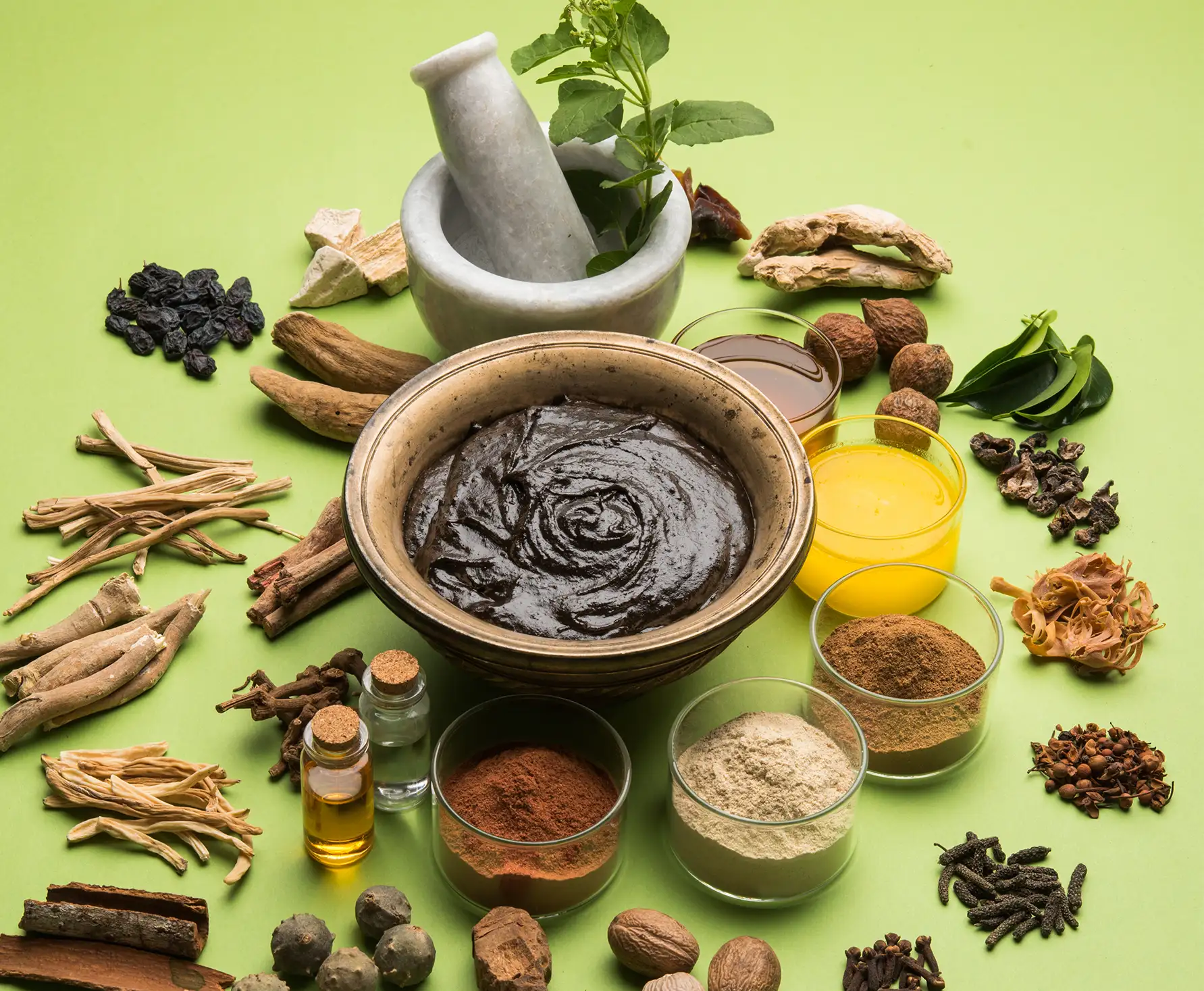
Lifestyle significantly influences inflammatory health.
Recommended adjustments may include:
Consistency in lifestyle practices supports long-term stability.

Ayurvedic approaches focus on supporting digestive function, dietary awareness (including inflammatory foods), and lifestyle patterns that may influence the body’s natural inflammatory response, offering natural help for inflammation.

From an Ayurvedic perspective, sciatica may be considered related to Vata imbalance. Lifestyle approaches, including movement practices and traditional therapies, may be explored to support general comfort and mobility.

Fibromyalgia may involve widespread pain, fatigue, and sensitivity associated with the body’s inflammatory response. Ayurvedic consultations personalise lifestyle guidance and support approaches aimed to soothe inflammation

We discuss urinary discomfort with relation to Pitta imbalance and internal heat. Consultations may include dietary guidance and hydration strategies aimed at supporting overall wellbeing.

We explore concerns like sinus congestion with relation to Kapha imbalance and digestive patterns. Traditional Ayurvedic practices will be referenced alongside lifestyle and dietary approaches to support general respiratory wellbeing.

Ayurveda sees skin concerns like acne and irritation in the context of digestion and Pitta Imbalance. Guidance may include personalised nutrition and ample awareness of inflammatory foods.
Depending on your assessment and individual needs, your plan may include:
Suitability is discussed during consultation.
Ayurveda emphasises prevention and continued wellbeing.
Long-term inflammatory balance is generally supported by:
Our goal is to support sustainable wellbeing and ongoing natural help for inflammation.
Support your wellbeing with personalised Ayurvedic guidance focused on lifestyle, nutrition, and factors related to the body’s inflammatory response.
Common symptoms of inflammation in the body may include redness, swelling, joint discomfort, digestive issues, fatigue, or skin irritation. Ongoing inflammation may affect energy levels and overall wellbeing.
Ayurveda has traditionally cared for the body’s natural inflammatory response to irritation, injury, or imbalance. While short-term inflammation may observe normal healing processes, ongoing inflammation can contribute to discomfort across different body systems. Symptoms can include joint stiffness, digestive disturbances, headaches, or skin flare-ups. In Ayurveda, these patterns are discussed in relation to digestive function, lifestyle factors, and internal balance.
If you notice ongoing symptoms such as persistent pain, swelling, or digestive discomfort, consider speaking with a qualified healthcare professional for appropriate assessment and guidance.
Ayurvedic approaches aim to support overall wellbeing through dietary guidance, lifestyle adjustments, and traditional practices that may assist digestive balance and factors associated with the body’s inflammatory response.
In Ayurveda, inflammation may be discussed in relation to digestion, metabolism, and Pitta Imbalance. Ayurvedic care may include guidance on daily routines, nutrition, and lifestyle habits. This can involve awareness of inflammatory foods, balanced meal planning such as a low inflammatory diet, and personalised wellbeing strategies. These approaches aim to support general balance and provide natural help for inflammation.
Always consult a qualified practitioner before making significant dietary or lifestyle changes, especially if managing existing health conditions.
People may consider Ayurvedic care when experiencing recurring symptoms or when exploring additional ways to support wellbeing, including lifestyle and dietary approaches related to what causes inflammation in the body.
The Ayurvedic approach considers one’s lifestyle, digestion, stress, and daily habits. Individuals may explore Ayurvedic consultations when symptoms persist or when seeking complementary wellbeing strategies. A practitioner may provide personalised guidance based on individual constitution and health history, including nutrition and routine adjustments aligned with Ayurvedic principles.
Ayurvedic care can complement general wellbeing practices but does not replace medical care. Consult your healthcare provider for ongoing or serious symptoms.
Chronic stress may influence the body’s inflammatory response by affecting hormonal balance, digestion, and immune function, which may contribute to fatigue, headaches, digestive discomfort, or muscle tension.
Ongoing stress can affect sleep, digestion, and metabolic processes, which may influence how the body responds to internal and external factors. Over time, this may contribute to inflammatory patterns. Ayurveda recognises the connection between mental and physical wellbeing, and may include lifestyle practices such as structured routines, relaxation techniques, and mindful habits to support overall balance.
Incorporate stress-management strategies such as regular sleep, gentle movement, and relaxation practices. Seek professional support if stress significantly impacts your health.
Early signs may include bloating, stomach discomfort, acid reflux, irregular bowel movements, or a feeling of heaviness after eating certain or inflammatory foods.
Digestive changes can be an early indicator of imbalance. Symptoms may include bloating, sensitivity to certain foods, discomfort after meals, or irregular digestion. In Ayurveda, these signs may be discussed in relation to digestive function and dietary habits. Identifying patterns, including reactions to inflammatory foods, and adopting supportive strategies such as a low inflammatory diet may help maintain overall digestive wellbeing.
If digestive symptoms are frequent or worsening, consult a qualified healthcare professional for proper evaluation.
Discover wellness therapies designed to help you relax, restore comfort, and improve overall well-being.
Discover wellness therapies designed to help you relax, restore comfort, and improve overall well-being.