Shirodhara is a traditional Ayurvedic therapy in which warm oil is poured in a slow, continuous stream over the forehead and scalp. It’s one of the most recognisable therapies within Ayurveda, often associated with deep relaxation and a calming effect on the mind.
Like many traditional Ayurvedic practices, Shirodhara is a complementary wellness therapy rather than a medical treatment. As healthdirect explains, complementary therapies are generally used alongside conventional medical care rather than in place of it, and Shirodhara is best understood in this light; it isn’t intended to diagnose, treat, or cure any condition. Its effects are best described as traditionally supportive rather than clinically proven. In this guide, we’ll cover what Shirodhara actually involves, how it’s traditionally used, what a session looks like from start to finish, and who should check with a practitioner before booking one.
Ready to Learn More About Shirodhara?
Interested in experiencing this traditional Ayurvedic therapy? Explore our Shirodhara Therapy to learn how the treatment is performed, what to expect during your session, and whether it’s suitable for your individual wellness journey. Learn more about Shirodhara
Shirodhara is one of the oldest and most distinctive therapies within the Ayurvedic tradition, and it has become one of the better-known Ayurvedic practices outside India as interest in traditional Ayurvedic therapies has grown around the world. If you’d like to learn what is Shirodhara, this guide explains the therapy, how it works, and what you can expect during a session. At its core, it involves a gentle, continuous stream of warm oil poured over the forehead for a set period of time, usually while the person lies comfortably on a treatment table.
The Origins of the Practice and Its Place Within Ayurveda
Shirodhara has roots in classical Ayurvedic texts, where it’s described as part of a broader group of therapies traditionally used within Ayurveda to support overall wellbeing and balance across the doshas, the three energies (Vata, Pitta, and Kapha) that Ayurveda uses to describe individual constitution. Traditionally, Shirodhara was used alongside other Ayurvedic practices as part of a broader wellness routine, rather than as a standalone treatment. Today, it’s often offered as part of a wider Ayurvedic wellness plan, sometimes alongside abhyanga (self- or therapist-led oil massage) or as part of a longer retreat-style program.
What the Word “Shirodhara” Means (Shiro = Head, Dhara = Flow)
The name itself explains the therapy: “shiro” means head, and “dhara” means flow or stream. Put together, Shirodhara literally translates to “flow to the head”, a fitting description of a continuous stream of warm oil poured over the forehead and scalp. This isn’t a quick pour or a splash; the defining feature of the therapy is the slow, rhythmic, uninterrupted flow, which is traditionally believed to have a calming effect distinct from other forms of head or scalp massage.
Explore our Shirodhara therapy, what to expect during a session, and how it forms part of our traditional Ayurvedic wellness services.
Shirodhara isn’t used in isolation; it’s typically framed as part of a broader Ayurvedic approach to supporting balance and calm, often alongside dietary guidance, daily routine (dinacharya), and other therapies suited to an individual’s constitution.
The Role of Warm Oil Therapy in Balancing the Doshas
Warm oil therapy is a recurring theme throughout Ayurveda, and Shirodhara is one of its most well-known applications. Within Ayurvedic tradition, the warmth and steady rhythm of the oil stream is believed to support Vata balance, the dosha associated with movement, change, and the nervous system, which is often considered the dosha most linked to overstimulation and a busy, racing mind. By contrast with a quick head massage, the sustained, unhurried nature of Shirodhara is thought to give the nervous system time to settle into a slower rhythm over the course of the session.
Traditionally, practitioners assess an individual’s dosha balance before recommending Shirodhara, as the specific oils, temperature, and duration used may be adjusted according to what’s considered supportive for that person’s constitution. This individualised approach mirrors broader guidance from healthdirect on managing stress, which similarly notes that what works well for one person’s stress levels may not suit another, and that personal context matters when choosing a wellbeing approach.
Types of Oils Traditionally Used and How They’re Chosen
A range of oils may be used for Shirodhara, chosen according to the individual and the intended focus of the session. Warm sesame oil is one of the most traditional choices, often considered grounding and particularly suited to calming Vata. Other oils, sometimes infused with herbs such as Brahmi or Ashwagandha, may be used depending on the practitioner’s assessment and the person’s individual needs. Coconut oil is sometimes used in warmer climates or for people who find sesame oil too heavy, while medicated oils prepared with specific herbal infusions may be selected for particular therapeutic goals.
The choice of oil is generally considered a personalised decision rather than a one-size-fits-all approach, which is part of why an initial consultation is usually recommended before your first session. If you’re not sure which approach might suit you, our Shirodhara therapy outlines how we approach this during a consultation.
If you’ve never experienced Shirodhara before, knowing what to expect can make the whole process feel far less unfamiliar.
Preparation Before the Therapy Begins
Sessions typically begin with a brief conversation about your current wellbeing, any areas of concern, and, where relevant, your dosha constitution. You’ll usually be asked to lie down comfortably on a treatment table, often on your back, with a small headrest positioned so the oil can flow freely across your forehead and drain away without pooling. Some practitioners begin with a short scalp or shoulder massage to help you settle before the oil stream starts.
The Oil-Pouring Process and Typical Session Duration
Once you’re comfortably positioned, warm oil is poured in a slow, steady stream from a shallow vessel suspended above your forehead, typically swinging gently from side to side across the “third eye” area and hairline. The oil is continuously collected and, in many traditional setups, gently rewarmed and reused throughout the session. A typical Shirodhara session lasts between 30 and 45 minutes, though this can vary depending on the practitioner and the specific approach being used. Many people describe the experience as relaxing, although individual experiences vary.
Aftercare and What You May Feel Afterwards
After the oil stream ends, you’ll usually be given time to rest quietly before sitting up, as many people feel pleasantly drowsy or deeply relaxed immediately afterwards. Hair is typically left oiled for some hours, so it’s worth planning your day around this; many people book Shirodhara sessions for a time when they don’t need to rush off elsewhere. A warm shower is usually recommended a few hours later rather than immediately, to allow the oil to be properly absorbed. It’s common to feel unusually calm or even slightly light-headed directly after a session, so taking things slowly for the rest of the day is generally advised.
As with all traditional Ayurvedic therapies, the benefits of Shirodhara are best understood as traditional uses rather than clinically proven outcomes. Individual experiences vary, and Shirodhara should not be relied upon as a treatment for any diagnosed medical or mental health condition.
Traditional Use for Relaxation and Calming the Mind
Shirodhara is most widely known as a relaxation therapy, and this is generally considered its primary traditional application. The slow, rhythmic pouring of warm oil is traditionally associated with a calming and relaxing experience, with many people describing a noticeable sense of calm during and after a session. Healthdirect similarly notes that relaxation techniques more broadly may help support the management of everyday stress, which aligns with why many people explore therapies like Shirodhara as part of a broader approach to winding down.
Traditional Use for Supporting Sleep Quality
Within Ayurveda, Shirodhara is traditionally associated with supporting a sense of relaxation and calm. It’s sometimes explored by people whose sleep is affected by racing thoughts or general overstimulation. This isn’t a treatment for insomnia, but the general principle of calming the nervous system before rest aligns with broader sleep hygiene guidance; healthdirect notes that a calmer pre-sleep routine can support better sleep more generally.
Traditional Use for Supporting Mental Clarity and Focus
Beyond relaxation, Shirodhara is also traditionally associated with supporting mental clarity, sometimes described as helping the mind feel less scattered or overstimulated. This is generally understood within Ayurveda as a flow-on effect of a calmer nervous system rather than a direct cognitive intervention, and it should not be considered a substitute for professional support if you’re experiencing ongoing difficulty concentrating.
Curious whether Shirodhara might be a good fit for what you’re currently experiencing? Our Shirodhara therapy page has more detail.
People tend to explore Ayurvedic Shirodhara for a range of reasons, most commonly linked to the pace and pressures of everyday life. Common situations where people traditionally consider this therapy include periods of ongoing overstimulation, a sense of mental restlessness, disrupted sleep patterns, or simply wanting a deeply relaxing therapy as part of a broader self-care routine.
It’s worth noting that Shirodhara isn’t a one-size-fits-all therapy; Ayurveda considers individual constitution, current lifestyle, and specific circumstances before recommending any therapy, and what suits one person well may not be the right fit for another. This is part of why an initial conversation with a practitioner is generally recommended, particularly if it’s your first time trying Shirodhara or you have any underlying health considerations.
If you’re weighing up whether Shirodhara suits your current circumstances, our team can talk you through what to expect during a consultation.
Feel free to contact the Vibrant Ayurveda team if you have questions.
As with any complementary therapy, Shirodhara isn’t automatically suitable for everyone, and there are several situations where it’s important to check with a qualified practitioner or your GP before booking a session.
People who are pregnant should discuss any complementary therapy with their doctor. Similarly, anyone with a scalp condition, open wounds, recent head or scalp surgery, or a known sensitivity or allergy to particular oils should raise this before their session, as the oils used may need to be adjusted or the therapy avoided altogether. People with certain medical conditions, including uncontrolled high blood pressure, vertigo, or a history of migraines, should also check with their GP first, as lying flat for an extended period with warm oil on the scalp may not be suitable for everyone.
More broadly, the Therapeutic Goods Administration notes that complementary therapies and products are regulated differently to conventional medicines in Australia, and Better Health Channel advises checking a practitioner’s qualifications and being cautious of any therapy positioned as a replacement for medical treatment. Some complementary therapy practitioners are registered with the Australian Health Practitioner Regulation Agency, and it’s worth asking your practitioner about their training and any relevant registration before your first session. A reputable Ayurvedic practitioner will always ask about your health history before recommending Shirodhara, and will never suggest it as a substitute for medical care.
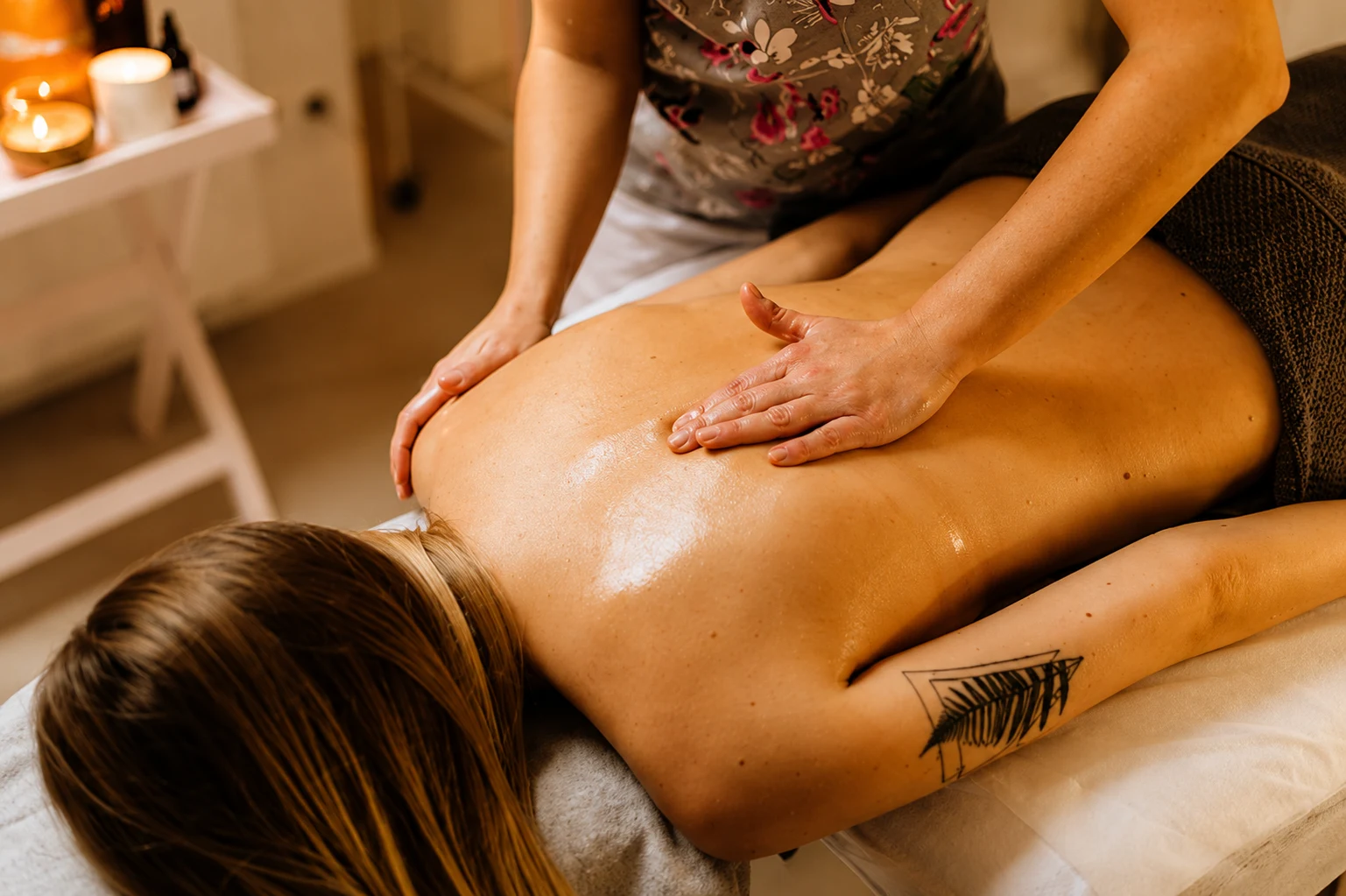
Shirodhara is sometimes confused with abhyanga (full-body oil massage) or a standard head massage, but the therapy is distinct in both technique and traditional purpose. Where abhyanga involves hands-on massage across the body using kneading and stroking movements, Shirodhara involves no direct massage at all during the oil-pouring phase; the therapeutic effect is traditionally attributed to the continuous, rhythmic flow of oil itself, rather than physical manipulation of the muscles.
Shirodhara is also generally more targeted than a full-body Ayurvedic massage, focusing specifically on the head and nervous system rather than the whole body. Because of this, it’s often chosen within Ayurveda by people seeking a deeply relaxing therapy. Many people choose to combine the two, having an abhyanga massage before a Shirodhara session as part of a longer, more comprehensive treatment.
Understanding this distinction can help you choose the right therapy for what you’re actually hoping to get out of a session, and our Shirodhara therapy page outlines how this fits alongside our other Ayurvedic offerings.

Once you’ve booked a Shirodhara session, you can generally expect a short intake conversation beforehand, either during your booking or at the start of your appointment, to understand your current wellbeing and any relevant health considerations. This helps your practitioner tailor the oil choice, temperature, and duration of the session to suit you individually, rather than offering a generic, one-size-fits-all treatment.
It’s worth allowing a little extra time after your session, both to rest before getting up and because your hair will typically remain oiled for a few hours afterwards. Many people prefer to book Shirodhara for a quieter part of the day so they have time to relax afterwards, although individual experiences vary.
If you have any questions about scheduling, oil preferences, or what to bring, our full details are available on our homepage, or you’re welcome to contact us directly.
Shirodhara is a traditional Ayurvedic therapy that involves the gentle, continuous pouring of warm oil over the forehead and scalp as part of a personalised Ayurvedic approach to wellbeing. While it has a long history of traditional use for supporting relaxation and promoting a sense of calm, it should be understood as a complementary therapy rather than a substitute for conventional medical care. Individual experiences vary, and the therapy may not be suitable for everyone.
If you’re interested in learning whether Shirodhara may be appropriate for your individual circumstances, book an Ayurvedic Consultation. During your consultation, an experienced practitioner can discuss your health history, wellbeing goals, and whether Shirodhara or another traditional Ayurvedic therapy may be suitable for you.
If you have any questions before booking, please Contact Us, and our team will be happy to provide further information about our services and what to expect.